The world of interiors is entering an era of quiet confidence. After years of experimentation, 2026 will be a year that strikes a balance between comfort and character, where homes feel deeply personal yet grounded in thoughtful design. From color-drenched walls to spaces that blend technology with tranquility, the interior design trends of 2026 promise a return to emotion, intention, and timeless craftsmanship.
Today’s homeowners no longer want spaces that simply look stylish. They want spaces that live well. Interiors are evolving into reflections of mindfulness, identity, and sustainability. Every choice, from materials to mood, contributes to how people feel within their homes.
This blog explores the key interior design trends shaping 2026, offering insights every homeowner should know, whether you’re planning a renovation or simply reimagining your living space.
1. Vintage and Retro Influences in Modern Interiors
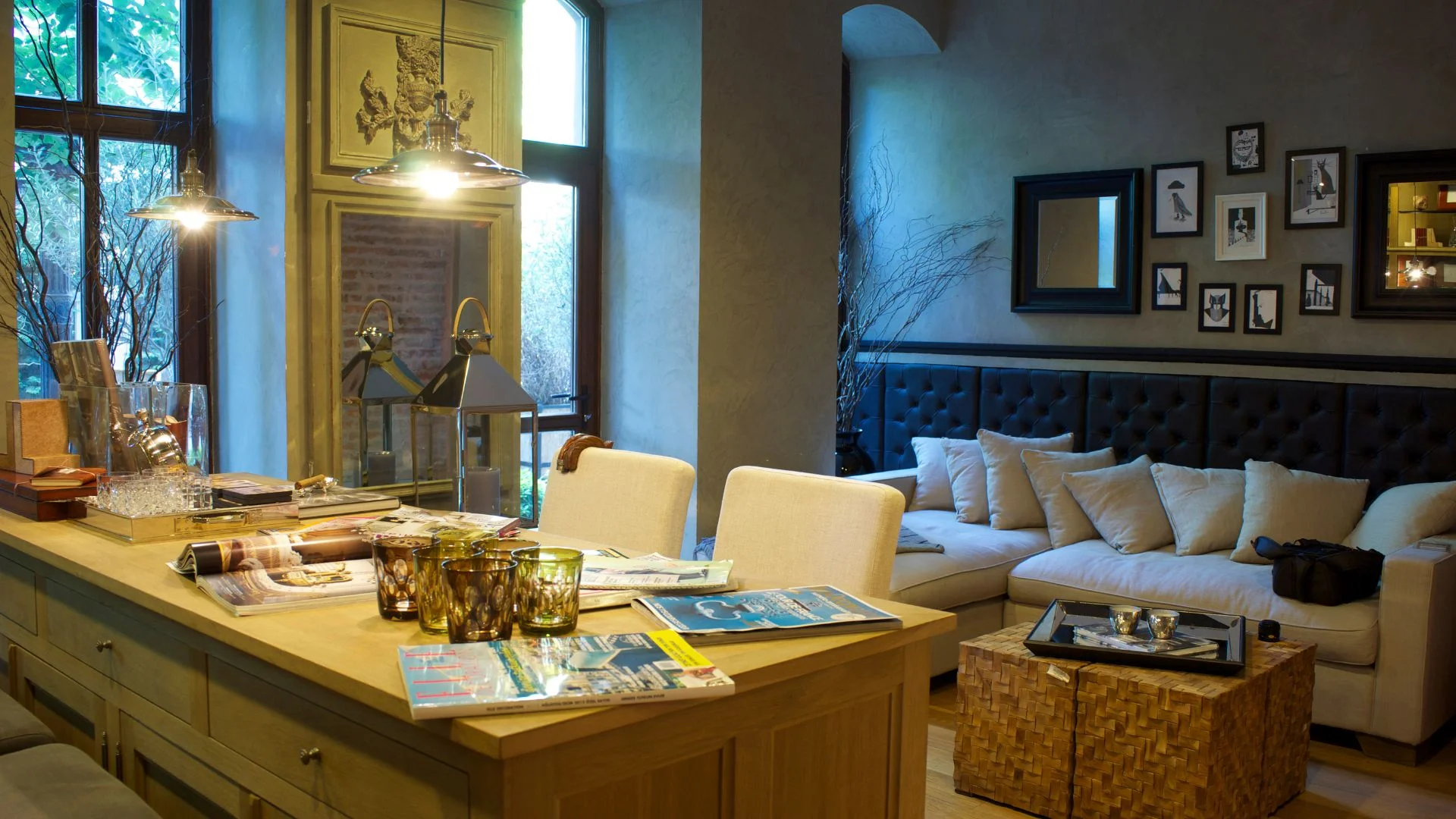
Nostalgia is making a sophisticated comeback. Designers are no longer chasing strict period perfection but curating layered interiors that mix eras gracefully. In 2026, vintage is less about replication and more about reinvention. Expect to see antique mirrors beside sleek marble tables, mid-century chairs paired with sculptural lighting, and bold retro color palettes reinterpreted with contemporary finishes.
The shift is toward storytelling: spaces that carry personality through curated contrasts. Patterned wallpapers, vintage glassware, and bold appliance colors are returning to kitchens and living rooms alike. This revival is not about cluttering your space with old pieces; it’s about letting character and craftsmanship guide your aesthetic choices.
For homeowners exploring modern home decor ideas, integrating one or two statement vintage pieces can instantly create depth and history in an otherwise minimalist room.
2. Cozy Minimalism: Calm, Crafted, and Comfortable
Minimalism continues to evolve, finding a softer and more livable expression in 2026. Inspired by the Japandi movement, a blend of Japanese simplicity and Scandinavian warmth, cozy minimalism is shaping homes that are as functional as they are serene.
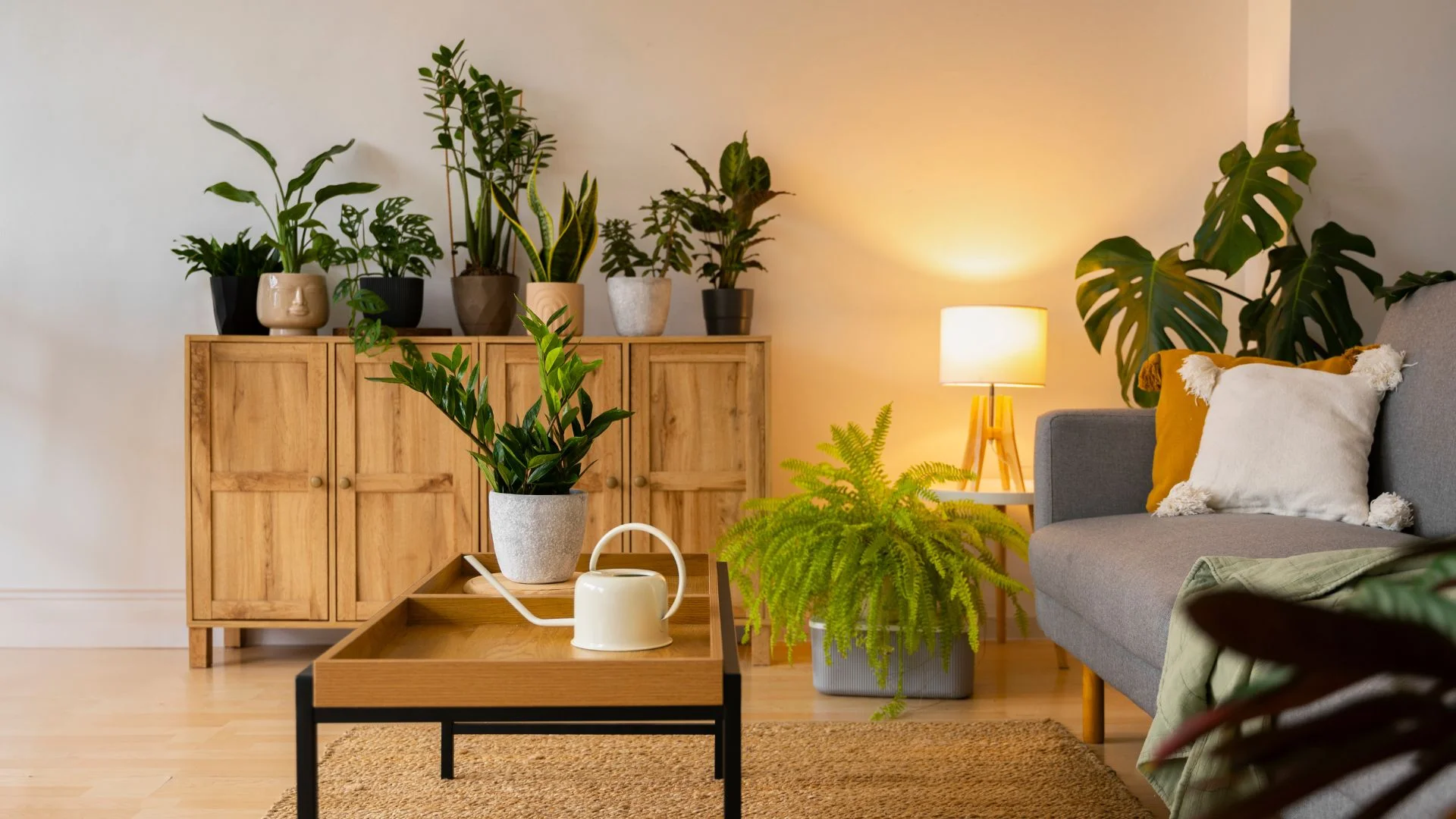
Clean lines, natural materials, and muted palettes form the foundation, while tactility adds emotional warmth. Textured fabrics, handcrafted ceramics, and organic wood grains introduce balance and imperfection, making spaces feel lived-in rather than staged.
The trend is not about owning less but about owning better. Quality craftsmanship replaces mass production, and visual calm replaces visual noise. For homeowners, cozy minimalism is a timeless approach which is beautifully simple, practical, and emotionally restorative.
3. Color-Drenched Rooms: Immersion in Mood
If 2025 was about accent walls, 2026 is about immersive color. Color drenching, where a single hue wraps walls, ceilings, and even trims, is now a defining design move. The result is enveloping, dramatic, and deeply atmospheric.
Interestingly, this bold approach doesn’t feel chaotic. When done thoughtfully, it actually creates visual unity. A forest-green study or terracotta-toned dining room can feel cohesive, not overpowering, when the finish and lighting are well-considered.
Designers are also layering tonal variations, where matte, gloss, velvet, and linen finishes within the same color family add subtle depth. It’s monochrome, but emotionally expressive.
If you’re exploring the latest interior styles for homeowners, this is a direction that celebrates confidence and personality while remaining surprisingly adaptable to both large and small spaces.
4. Home Wellness Spaces: Retreats Within Reach
Wellness design has moved beyond luxury. It’s now a core part of how we think about home. In 2026, interiors are being crafted to support physical and emotional wellbeing through light, air, and sensory balance.
Homeowners are dedicating corners for meditation, reading, or sound therapy. Bathrooms resemble spas, complete with rainfall showers, stone basins, and ambient lighting. Some modern homes even integrate mini-saunas, cold plunge tubs, or aromatherapy zones.
Beyond physical amenities, wellness spaces are about emotional reset. Calming layouts, biophilic materials, and soft acoustics are shaping environments that slow down the senses. Even small apartments can adopt this trend through subtle design cues: linen curtains, bamboo mats, or soft lighting around quiet corners.
In a fast-paced world, wellness-centered interiors represent a human need for grounding.
5. Eco-Friendly Living: Design with a Conscience
Sustainability is no longer a buzzword; it’s a responsibility. The interior design industry is taking this seriously, and 2026 will see eco-conscious living go mainstream. Homeowners are prioritizing materials with traceable origins like reclaimed wood, stone, clay, and recycled composites that ensure low environmental impact.
Circular furniture systems, where pieces are designed to be reused or refurbished, are gaining traction. Natural ventilation, energy-efficient lighting, and insulation-focused space planning are becoming standard design conversations.
Aesthetically, sustainable interiors feel timeless. They are built to last, both structurally and emotionally. These spaces tell a story of respect: respect for resources, for makers, and for the generations who will inherit our choices.
6. Bold Black: Modern Drama, Subtle Luxury
Black is reclaiming its place in interior design, but this time, it’s being used with restraint and intention. From matte black cabinetry to near-black charcoal walls, dark tones are adding sophistication without heaviness.
Used as an anchor color, black brings definition and visual rhythm to a space. In 2026, we will see it appear in unexpected places: interior doors, lighting fixtures, kitchen faucets, and hardware accents. When paired with natural materials like oak, rattan, or linen, it creates a grounded, timeless look.
This is one of the more daring modern home decor ideas, but also one of the most transformative. Black, when balanced with texture and light, brings depth and elegance that few other colors can achieve.
7. Discreet Tech: Seamless Living through Design
Technology will continue to evolve within interiors, but in 2026, it’s all about invisibility. Smart homes are becoming quietly intelligent rather than overtly digital.
Think hidden speakers, motion lighting, app-controlled climate systems, and invisible charging surfaces. Even kitchen appliances are integrating more discreetly, with induction surfaces, built-in beverage drawers, and minimalist control panels.
The focus is on design-first technology, which is tech that supports daily life while maintaining aesthetic harmony. This approach is ideal for homeowners who value efficiency but don’t want their living spaces dominated by screens or cables.
Smart living, in 2026, is about convenience that doesn’t compromise beauty.
Conclusion
The interior design trends of 2026 collectively tell a story of refinement, meaning, and mindfulness. It’s a year where style meets soul, where homeowners are rethinking not just how their homes look, but how they make them feel.
Each trend, from vintage revival to discreet tech, points toward a deeper desire for authenticity and balance. Design is no longer about chasing what’s new but about crafting spaces that last, emotionally, aesthetically, and environmentally.
For homeowners, this is the perfect time to invest in thoughtful design choices. Whether it’s a single color-drenched room, a cozy minimalist retreat, or a fully sustainable renovation, the homes of 2026 will be defined by intention. Designing with purpose is not just a trend; it’s the new timeless.