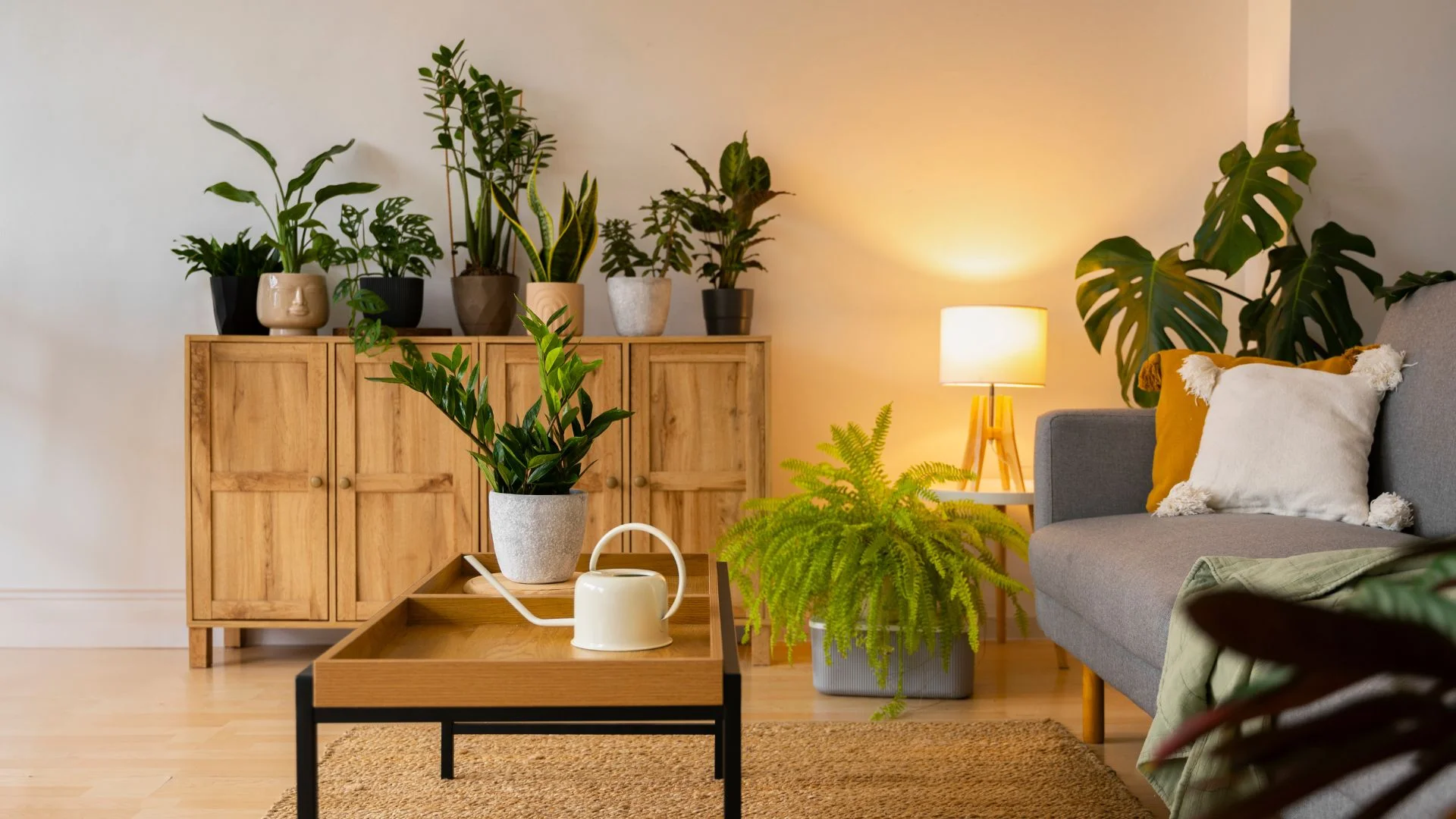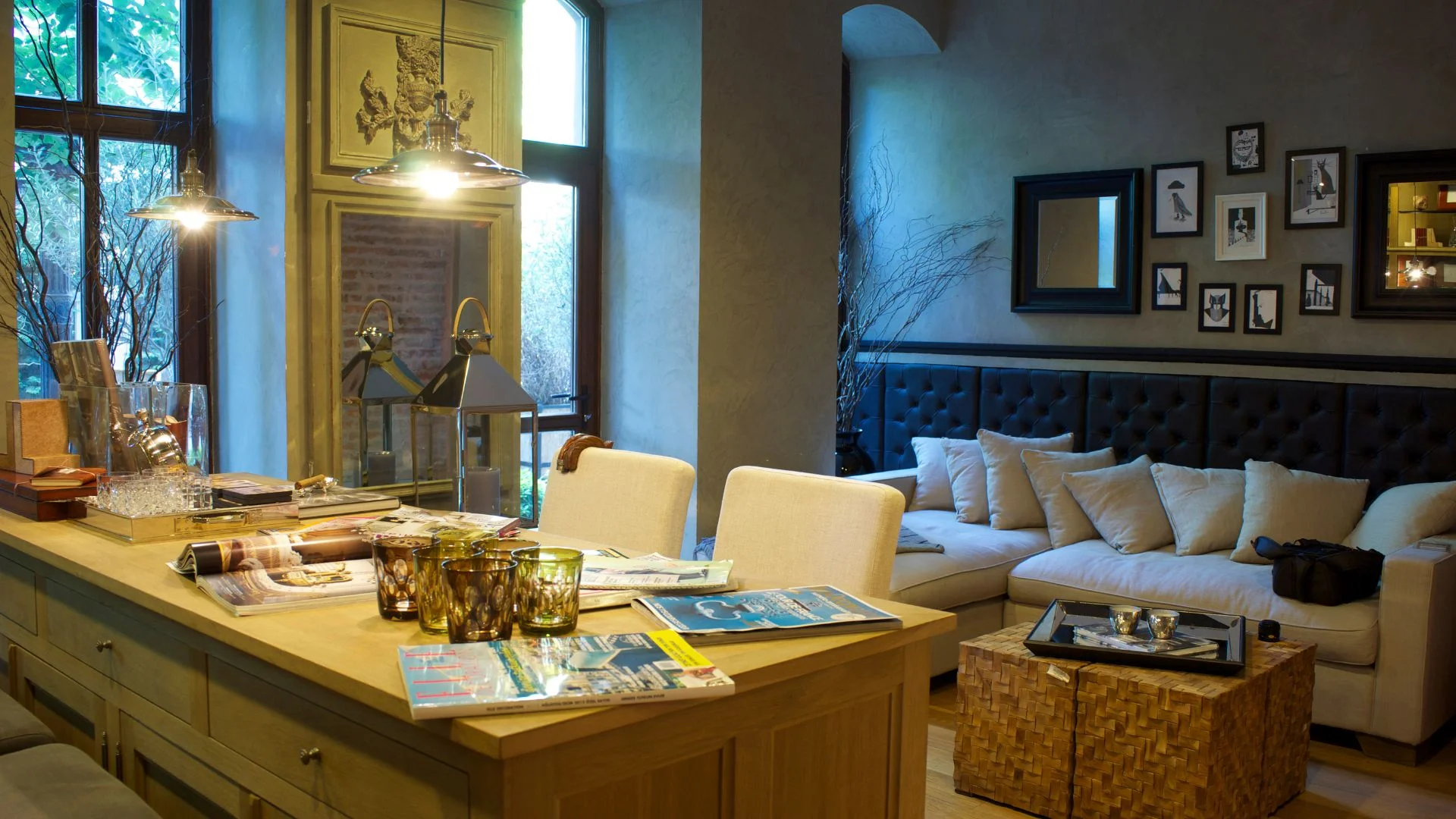

Every home has a structure that quietly tells a story. The proportions of the rooms, the way light moves through the space, the ceiling heights, and even the placement of windows all influence how a home feels long before furniture or finishes are added. Thoughtful home interior design begins by understanding this underlying framework rather than working against it.
Choosing a style is not about following trends or copying reference images. It is about finding a design language that respects the architecture of the home while reflecting how its occupants live. When style and structure align, the result feels effortless, cohesive, and enduring rather than forced.
This blog explores how to choose between minimal, classic, and contemporary styles by reading your home’s architecture and understanding what each approach brings to the space.
Start by Reading the Architecture of Your Home
Before selecting any style, take time to observe the bones of the house. Architecture sets natural boundaries and opportunities that guide design decisions.
Key elements to consider include:
- Ceiling height and room proportions
- Natural light and window placement
- Structural columns, beams, or arches
- Floor plan openness or segmentation
Homes with clean lines, open layouts, and large windows often lend themselves to simpler design approaches. Residences with detailed moldings, symmetrical layouts, or traditional proportions may respond better to layered styles.
Understanding these aspects prevents design conflicts later and allows the chosen style to feel intentional.
Minimal Style – Architecture Leads the Design
Minimal interiors work best when the architecture itself carries visual strength. This style does not hide the structure, it highlights it.
When Minimal Works Naturally
Minimal design suits homes with:
- Open floor plans and unobstructed movement
- High ceilings or strong horizontal lines
- Abundant natural light
- Neutral architectural elements
In such spaces, the absence of visual clutter allows proportions, materials, and light to take center stage.
Below are the key characteristics of minimal interiors:
- Clean surfaces with limited ornamentation
- Neutral palettes with subtle texture
- Thoughtful use of negative space
- Furniture that feels integrated rather than decorative
Minimal design demands precision. Every element must earn its place. When applied thoughtfully, it creates calm, clarity, and a sense of quiet confidence that complements strong architectural foundations.
Classic Style – Timeless Structure Shapes the Space
Classic interiors respond well to homes with defined layouts and traditional architectural features. This style builds on balance, symmetry, and craftsmanship.
Architectural Cues That Support Classic Design
Classic interiors work beautifully in homes with:
- Distinct rooms rather than open plans
- Decorative ceiling details or cornices
- Wooden doors, frames, or paneling
- Balanced window placements
Rather than overwhelming the space, classic design enhances existing character.
Following are the defining elements of classic interiors:
- Rich materials such as wood, stone, and textured fabrics
- Balanced furniture arrangements
- Warm color palettes with depth
- Subtle detailing rather than excess ornamentation
Classic design often feels layered and considered. It values longevity over trends, making it suitable for homeowners who appreciate familiarity and refinement.
Contemporary Style – Bridging Tradition and Modern Living
Contemporary design sits between classic and minimal. It adapts to current lifestyles while responding to architectural context.
Where Contemporary Fits Best
Contemporary interiors suit homes that feature:
- Mixed architectural elements
- Semi-open layouts
- Moderate ceiling heights
- A blend of traditional and modern materials
This style allows flexibility, making it a popular choice in urban residences and modern villas.
Listed below are the hallmarks of contemporary interiors:
- Clean lines softened with texture
- Neutral bases with controlled accents
- Functional furniture with refined forms
- Thoughtful lighting as a design feature
Contemporary spaces often incorporate elements seen in modern house interiors, but with more warmth and adaptability. They respond well to evolving lifestyles without feeling rigid.
Matching Style to Function, Not Just Appearance
While architecture sets the stage, daily living completes the picture. A style that looks appealing but clashes with how a household functions rarely feels satisfying.
Consider how spaces are used:
- Is the home designed for entertaining or quiet living?
- Are there children, pets, or elderly family members?
- Does the household prefer formality or informality?
For example, minimal interiors require discipline to maintain visual order. Classic interiors may demand more upkeep but offer comfort and familiarity. Contemporary design often balances ease of use with visual interest.
This alignment is a core principle of effective home interior design, especially when styles are chosen for longevity rather than short-term appeal.
Blending Styles Without Losing Architectural Integrity
Some homes do not fall neatly into one category. In such cases, a thoughtful blend can work well.
Successful blending involves:
- Keeping one dominant style
- Using secondary styles in subtle ways
- Maintaining a consistent material and color palette
A contemporary base with classic detailing, or a minimal layout softened with warm textures, can respect architecture while adding personality. The key is restraint and consistency.
Common Mistakes Homeowners Make When Choosing a Style
Understanding what to avoid is just as important as knowing what works.
Frequent missteps include:
- Forcing a minimal style into heavily detailed homes
- Overdecorating open-plan spaces
- Ignoring natural light when selecting colors and finishes
- Mixing too many interior design styles without a clear anchor
These issues often stem from focusing on visuals alone rather than architectural compatibility.
The Role of Professional Guidance
Experienced designers look beyond surface aesthetics. They evaluate structure, flow, and proportion before recommending a style.
Professional insight helps:
- Translate architectural strengths into design features
- Avoid costly design revisions later
- Balance personal taste with spatial logic
This approach ensures that design decisions feel cohesive from the moment one enters the home.
Choosing a Style That Grows With the Home
A home evolves over time. Furniture changes, needs to shift, and lifestyles adapt. The right style accommodates this evolution rather than restricting it.
Minimal spaces adapt through subtle additions. Classic interiors age gracefully. Contemporary design allows flexibility without losing character. Understanding these qualities helps homeowners choose a style that remains relevant.
In the end, successful home interior design respects architecture first, then layers in style with care. When minimal, classic, or contemporary choices are guided by the structure of the home, the result feels natural, balanced, and enduring.