Interior design is often associated with large budgets and full-scale renovations, but meaningful change does not always require starting from scratch. Many homes already have strong foundations, what they lack is thoughtful refinement. Strategic upgrades, when planned well, can dramatically improve how a space looks, feels, and functions without placing pressure on finances. This is where budget-friendly interior design becomes less about cutting corners and more about making smarter choices.
Over the years, interior designers have seen a consistent pattern. Homes that feel elevated are rarely the result of expensive materials alone. They are shaped by proportion, lighting, finishes, and attention to everyday details. Small upgrades, when executed intentionally, often deliver more impact than large but poorly planned changes.
This blog explores practical, budget-conscious interior upgrades that can transform a home visually and functionally, without overwhelming costs.
Rethinking Paint Beyond Basic Color Changes
Paint remains one of the most cost-effective tools in interior design, but its impact depends on how it is used. Instead of repainting entire homes, targeted applications often work better.
Consider:
- Accent walls in muted or earthy tones to create depth.
- Subtle texture paints in dining or living areas.
- Softer neutral palettes that reflect natural light and visually expand spaces.
In smaller homes, thoughtful paint placement can redefine zones without adding partitions. This approach is especially useful in low budget small house interior design, where visual openness is key.
Lighting Upgrades That Change Perception Instantly
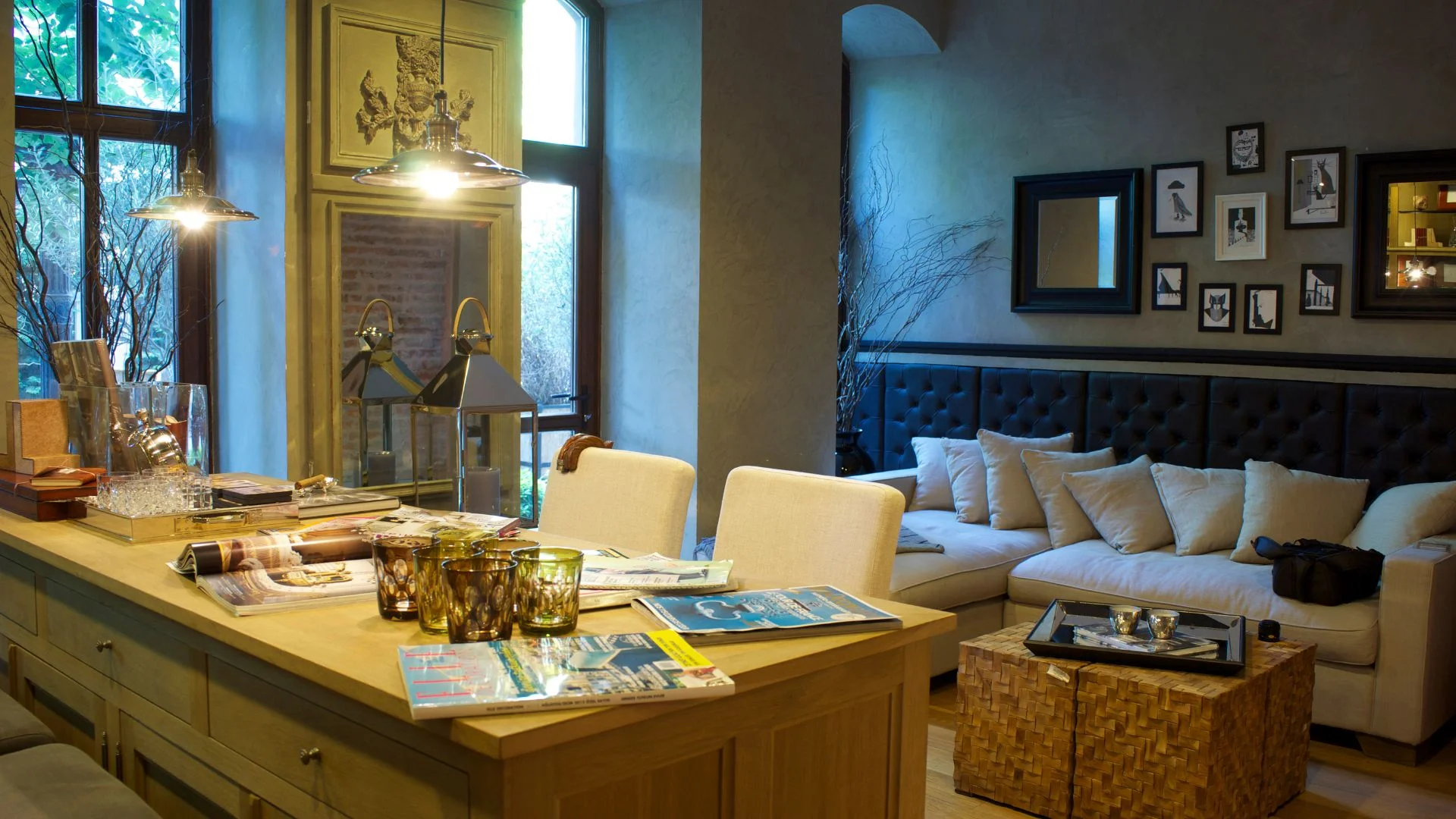
Lighting influences how every other element in a room is perceived. Many homes rely on a single central light, which flattens the space and limits its character. Upgrading lighting does not always require extensive electrical work.
High-impact lighting upgrades include:
- Replacing outdated fixtures with simple, modern designs.
- Adding warm LED strip lighting under cabinets or shelves.
- Introducing floor or table lamps to create layered lighting.
Good lighting enhances finishes, highlights textures, and improves comfort. Designers working on interior design on a budget often prioritise lighting early because of its immediate effect.
Hardware And Fittings As Design Details
Cabinet handles, knobs, and fittings are often overlooked, yet they play a surprisingly strong visual role. Replacing worn or generic hardware is affordable and changes the tone of a space quickly.
Options that work well across budgets:
- Matte black or brushed brass handles for kitchens and wardrobes.
- Minimal profile handles for a cleaner, contemporary look.
- Uniform hardware across rooms to create visual consistency.
These small details subtly elevate the overall design language without requiring major carpentry changes.
Soft Furnishings That Add Warmth And Layering
Soft furnishings offer flexibility, allowing homeowners to update interiors without permanent changes. They also help balance hard surfaces commonly found in modern homes.
Focus areas include:
- Cushions and throws in complementary tones and textures.
- Curtains that frame windows properly, ideally ceiling to floor.
- Rugs that define seating or dining zones.
In practice, designers working on budget interior design Bangalore projects often see the biggest emotional response from clients when soft furnishings are updated thoughtfully. The home begins to feel finished and lived-in.
Open Shelving And Smart Storage Solutions
Replacing full cabinetry with selective open shelving can reduce costs and introduce visual lightness. This works particularly well in kitchens, study areas, and utility spaces.
Effective ways to use this approach:
- Open shelves combined with closed storage for balance.
- Neutral shelf finishes that blend into the wall.
- Styling shelves with restraint to avoid clutter.
Smart storage is not only about aesthetics. It improves daily usability, which adds long-term value to the home.
Wall Treatments That Go Beyond Paint
Wallpaper, panels, and simple wall mouldings can create strong focal points without covering entire rooms. Used selectively, they provide depth and personality.
Cost-conscious wall upgrade ideas:
- Wallpaper behind the bed or sofa only.
- Fluted panels in small sections.
- Wooden battens or trims to create rhythm on plain walls.
These treatments are particularly effective in homes where structural changes are not possible, yet visual interest is needed.
Furniture Rearrangement And Selective Replacement
Buying new furniture is expensive, but rethinking existing pieces often achieves better results. Many homes already have good-quality furniture that is simply placed without intention.
Before replacing furniture, consider:
- Repositioning pieces to improve flow and balance.
- Removing oversized items that block light or movement.
- Reupholstering key pieces instead of replacing them.
In the middle of any budget-friendly interior design process, this step often reveals that less furniture creates more impact.
Kitchen And Bathroom Refreshes Without Full Renovation
Kitchens and bathrooms are commonly associated with high renovation costs, but partial upgrades can still deliver visible improvement.
Budget-sensitive updates include:
- Replacing backsplash tiles only.
- Changing faucets and shower fittings.
- Updating cabinet shutters or laminates instead of full units.
These changes modernise the space while keeping plumbing and layouts intact, which significantly controls expenses.
Mirrors And Reflective Surfaces For Spatial Enhancement
Mirrors are not only decorative, they are functional tools for enhancing light and space. When placed strategically, they make compact rooms feel more open.
Effective applications:
- Large mirrors opposite windows.
- Mirrored panels in dining or passage areas.
- Simple framed mirrors instead of ornate designs.
This technique is commonly used in apartments where expanding physical space is not an option.
Flooring Updates Without Replacement
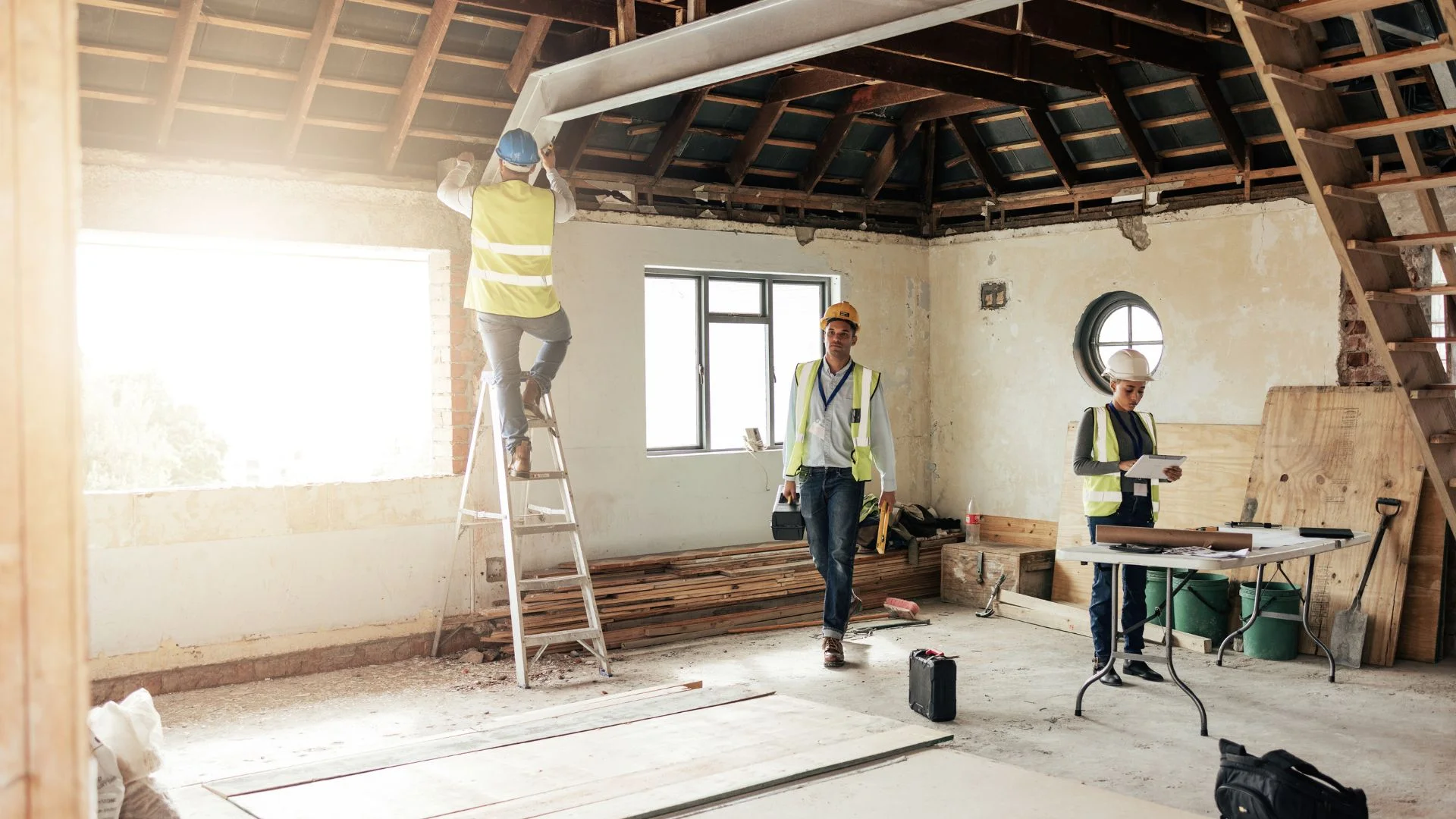
Replacing flooring can strain budgets, but alternatives exist. Rugs, floor polishing, or vinyl overlays can refresh tired floors at a fraction of the cost.
Popular solutions include:
- Area rugs to cover worn sections.
- Floor refinishing instead of replacement.
- Peel-and-stick tiles in utility zones.
These updates work well for homeowners seeking interior design on a budget without committing to disruptive construction work.
Finishing Touches That Complete The Look
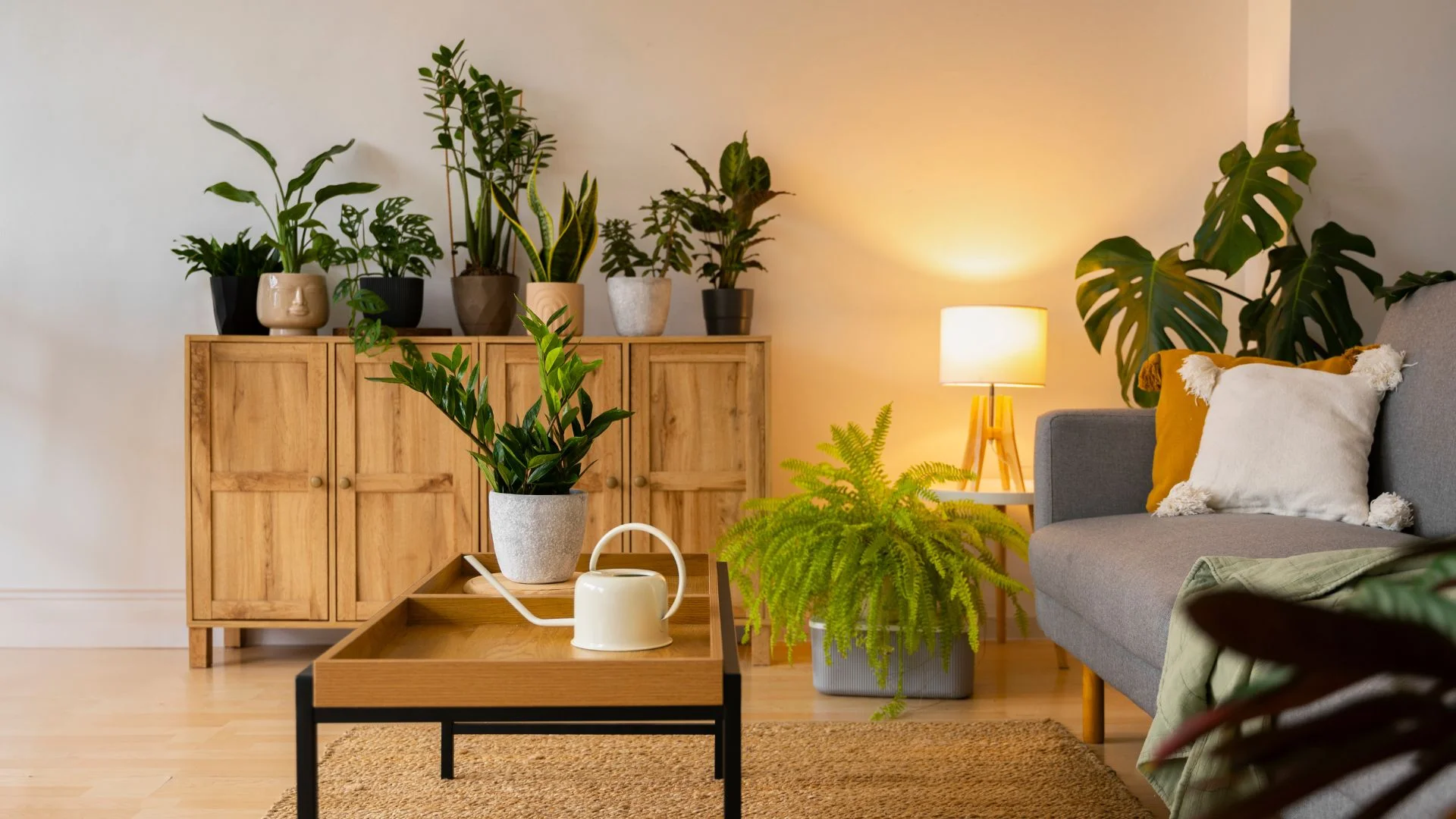
Often, what makes a home feel unfinished is the absence of finishing details. Art, indoor plants, and accessories bring character and balance.
Simple finishing upgrades:
- Consistent artwork framing.
- Indoor plants for softness and air quality.
- Minimal accessories grouped intentionally.
These elements cost relatively little but contribute significantly to how cohesive the home feels.
Conclusion
The most impactful interiors are not always the most expensive. They are the ones where decisions are deliberate, and upgrades align with how the home is actually used. Budget constraints can often encourage better design thinking, forcing clarity and prioritisation.
For homeowners exploring budget-friendly interior design, the focus should remain on upgrades that improve daily experience rather than chasing trends. When executed thoughtfully, even modest changes can redefine a space.
In conclusion, budget-friendly interior design is not about compromise, it is about intention. By choosing upgrades that balance aesthetics, function, and cost, homes can feel refreshed, refined, and personal without exceeding financial limits.