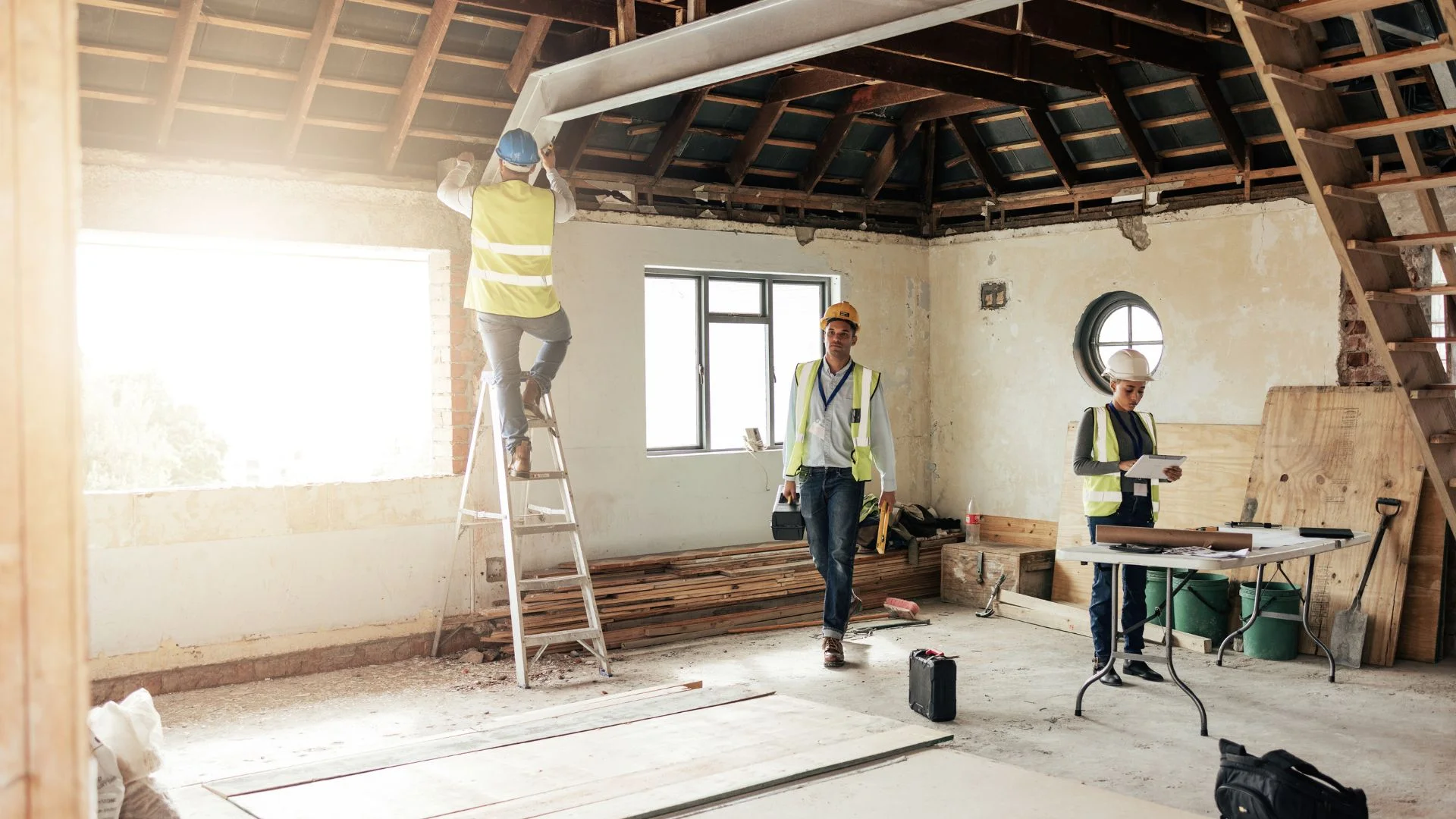

A full-service home makeover is often imagined as an exciting turning point. New layouts, thoughtful finishes, and a home that finally feels aligned with how life is lived today. Yet behind the inspiration boards and design conversations, there is one practical reality that shapes every decision from the start, the home renovation cost.
Budgeting is not about limiting creativity. It is about creating clarity. When homeowners understand where their money goes, the process becomes calmer, more transparent, and far more rewarding. A well-planned budget allows design ideas to evolve with confidence rather than uncertainty.
This blog explores how to approach budgeting for a full-service home makeover, what factors influence costs, and how homeowners can plan wisely without compromising on quality or intent.
What a Full-Service Home Makeover Actually Includes
Before numbers come into the picture, it helps to understand what full-service really means. Many homeowners assume it refers only to visual changes, but the scope is much broader.
A full-service home makeover typically covers:
- Space planning and layout redesign
- Interior design concept and material selection
- Civil modifications, if required
- Electrical, plumbing, and lighting planning
- Custom furniture or carpentry work
- Finishes such as flooring, wall treatments, and paint
- Project coordination and on-site execution
Because these elements are interconnected, budgeting works best when they are considered together rather than in isolation.
Why Early Budget Planning Matters More Than Most People Think
One of the most common challenges in home renovation is not overspending, but unclear spending. Without early budgeting, decisions tend to be reactive. A material feels right, a feature looks impressive, but the cumulative impact only becomes visible much later.
Planning a realistic budget at the beginning helps:
- Align expectations between homeowners and designers
- Prioritize areas that matter most to daily living
- Reduce mid-project changes that increase costs
- Maintain consistency in design quality across spaces
This is especially important when working with experienced home remodeling contractors, where coordination and sequencing directly affect timelines and expenses.
Key Factors That Influence the Overall Cost
No two homes have identical budgets, even if they are similar in size. Several variables shape the final cost of a full-service makeover.
Size and Condition of the Space
Larger homes naturally require higher material and labor investment. However, the existing condition also plays a role. Older homes may need structural corrections or system upgrades before design enhancements can begin.
Scope of Customization
Custom work adds character, but it also adds cost. Bespoke cabinetry, made-to-measure furniture, or handcrafted details require time and skilled craftsmanship.
Material Choices
Materials define both the look and longevity of a home. Natural stone, solid wood, and premium finishes cost more upfront but often perform better over time.
Location and Execution Team
Local labor rates, material availability, and the expertise of home remodeling contractors influence pricing. Experienced teams may cost more, but they often reduce errors, delays, and rework.
Breaking Down the Budget Thoughtfully
A helpful way to approach budgeting is to divide the overall amount into clear categories. This makes planning more manageable and avoids last-minute compromises.
Common budget segments include:
- Design and consultancy fees
- Civil and structural work
- Electrical, lighting, and plumbing
- Carpentry and furniture
- Finishes such as flooring, paint, and wall treatments
- Soft furnishings and decor
- Contingency buffer
Keeping a contingency of around 10 percent is practical. Homes often reveal surprises once work begins, especially during home renovation projects involving older structures.
Where It Makes Sense to Invest More
Every home has areas that carry more emotional and functional weight. Budgeting allows homeowners to consciously invest where it matters most.
High-impact areas often include:
- Living rooms, where layout and lighting shape everyday experience
- Kitchens, where durability and efficiency are essential
- Bedrooms, where comfort and calm take priority
Spending slightly more in these spaces can elevate the overall feel of the home without increasing the total budget dramatically.
Smart Ways to Balance Cost Without Losing Design Intent
Budget-conscious decisions do not mean settling for less. They mean choosing wisely.
Some practical strategies include:
- Mixing premium materials with simpler finishes in less visible areas
- Using modular solutions where custom work is not necessary
- Phasing certain elements, such as decor or secondary furniture
- Selecting timeless designs that age well, reducing future changes
Design teams often help homeowners identify alternatives that preserve visual harmony while staying within financial limits.
Understanding Pricing Transparency With Design Teams
Clear communication around costs builds trust. Homeowners should feel comfortable asking how estimates are structured and what is included.
Transparent budgeting discussions typically cover:
- Itemized cost breakdowns
- Payment schedules aligned with project milestones
- Clear scope definitions to avoid assumptions
- Flexibility for revisions before execution begins
Reputed home remodeling contractors usually emphasize clarity early, as it helps projects run smoothly for everyone involved.
The Role of Long-Term Value in Budget Decisions
A full-service makeover is not just about the present. It is an investment in how the home functions over years.
Quality workmanship, thoughtful layouts, and durable materials reduce maintenance costs and improve resale value. In this context, understanding the home renovation cost becomes part of long-term financial planning rather than a one-time expense.
Midway through the project, homeowners often realize that thoughtful budgeting has allowed them to make better decisions, not fewer ones. This is where planning shows its real value.
Common Budgeting Mistakes to Watch Out For
Even well-prepared homeowners can overlook certain aspects. Some common pitfalls include:
- Underestimating the cost of labor and execution
- Allocating too much to decor before core work is complete
- Skipping contingency planning
- Making frequent design changes during execution
Awareness of these patterns helps homeowners stay grounded throughout the process.
Conclusion
Budgeting for a full-service home makeover is a balance of logic and vision. It requires numbers, but also perspective. When homeowners understand where to invest, where to adapt, and how to plan realistically, the experience becomes far more satisfying.
A clear budget supports better design conversations, smoother execution, and homes that feel cohesive rather than compromised. It allows creativity to unfold within a structure that supports it. In the end, approaching home renovation cost with clarity and foresight ensures that the transformation feels rewarding long after the final details are complete.