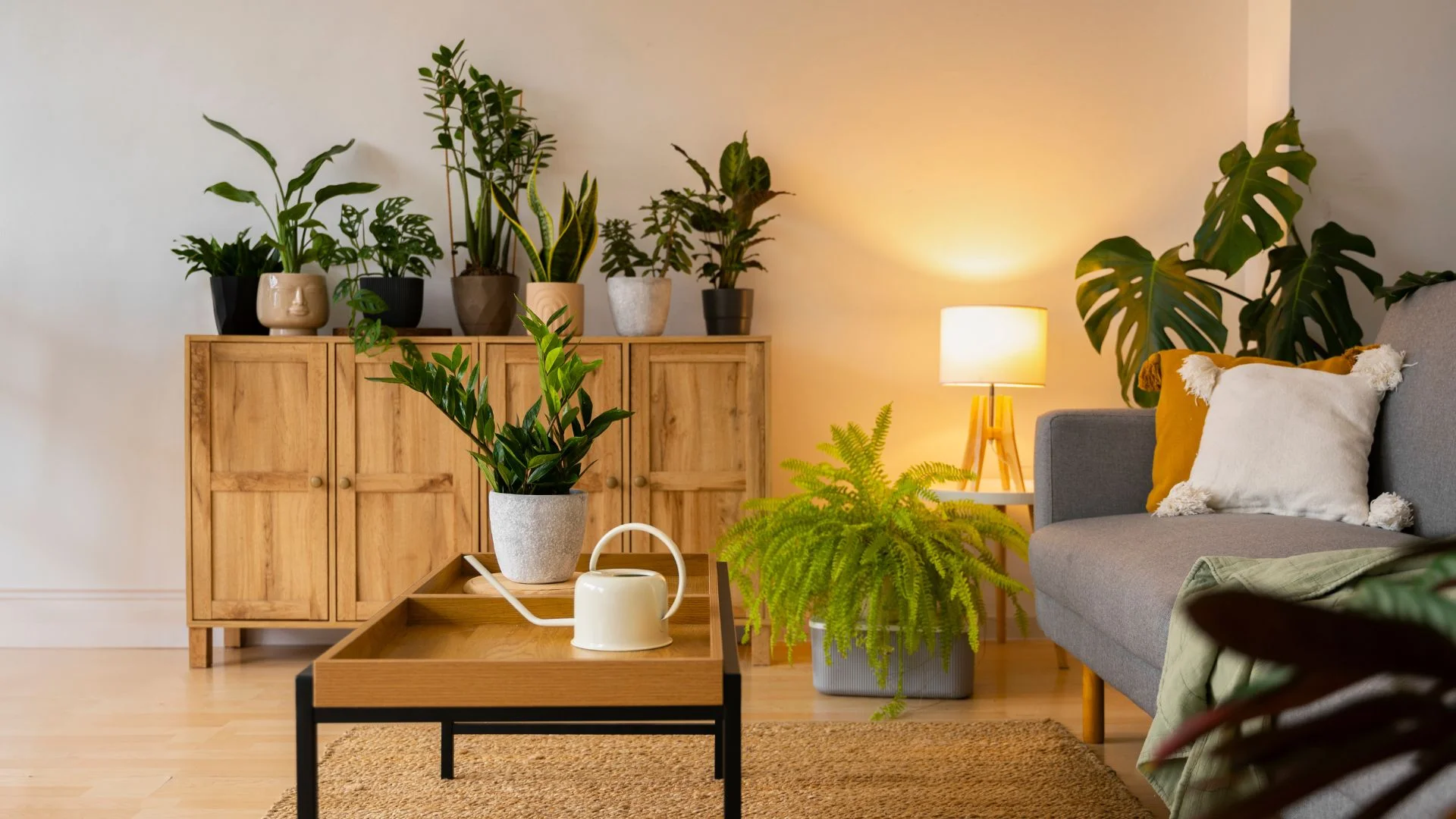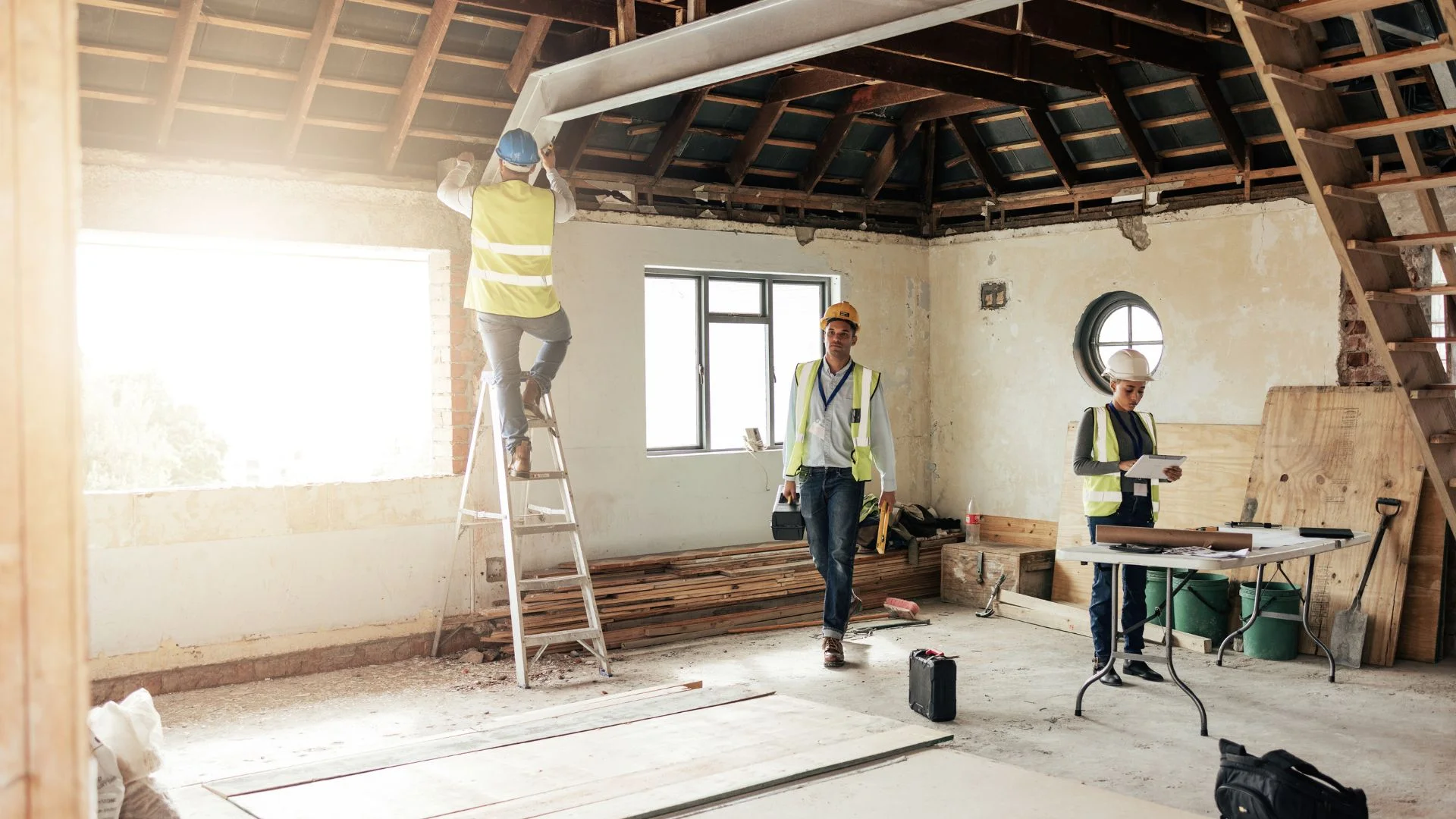
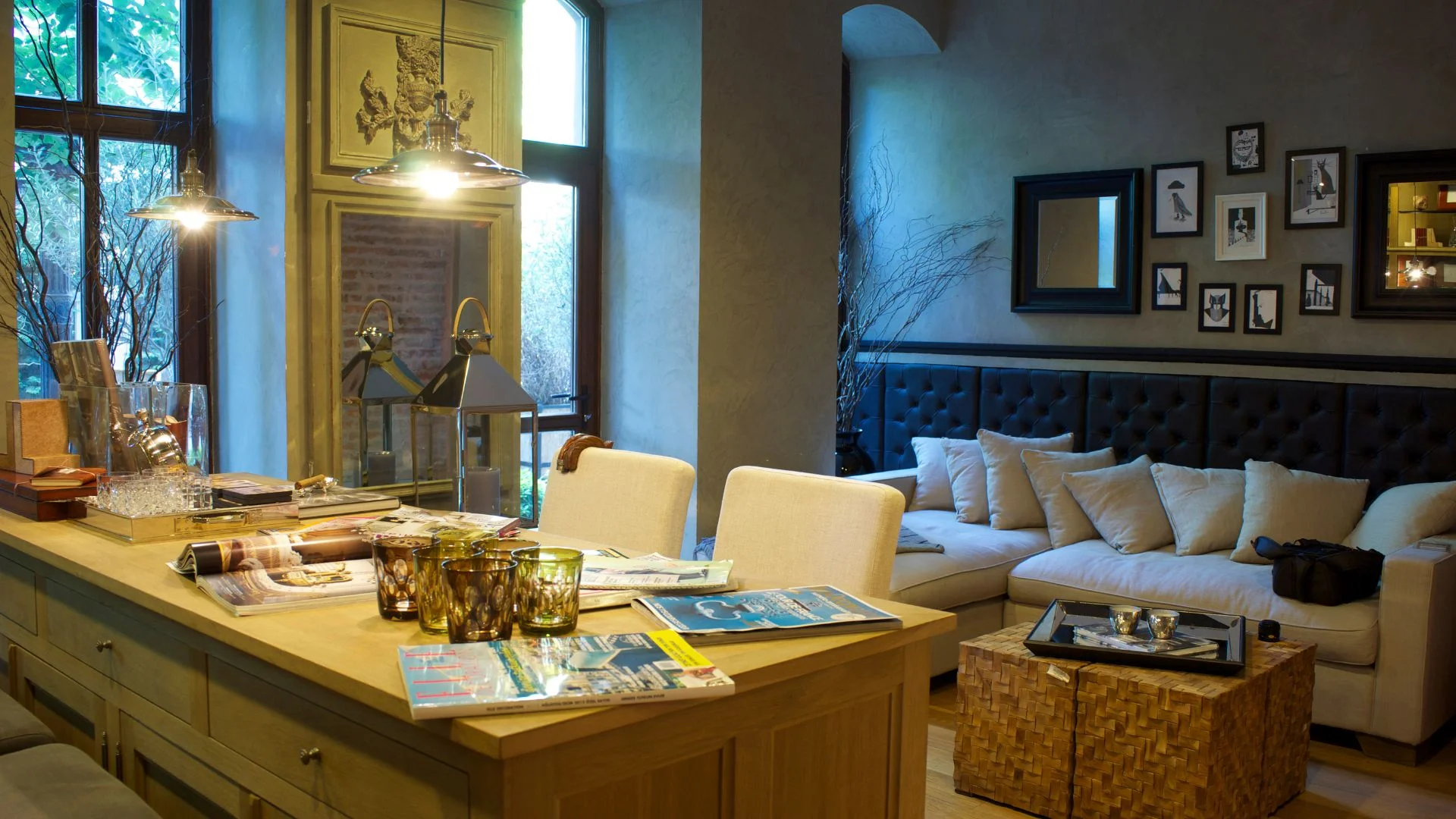
Homes today are being asked to do more than ever before. A living room might double as a workspace during the week. A bedroom may quietly take on the role of a reading corner, a fitness nook, or a late-night thinking zone. This shift has changed how people look at interiors, not just as static spaces, but as flexible environments that support daily life in all its changing rhythms.
Designing multi-purpose rooms is no longer about compromise. It is about intention. When planned well, a single room can feel calm rather than crowded, efficient without being rigid, and personal instead of purely functional. Thoughtful layouts and space saving furniture play a central role in making this balance work, especially in homes where every square foot matters.
This blog explores how to design multi-purpose rooms thoughtfully, covering layout planning, furniture choices, zoning techniques, and practical design decisions that help spaces work harder without feeling overworked.
Start With How the Space Is Actually Used
Before choosing furniture or finishes, it helps to pause and observe how the room is used across a typical day. Morning routines, work hours, evenings, and weekends often demand very different things from the same space.
A few questions help clarify priorities:
- What activities happen here regularly, and which are occasional?
- Does the room need to support focus, relaxation, or social interaction, or all three?
- Are there time-based overlaps, such as work calls during the day and family time at night?
This clarity prevents overdesigning. A room designed for everything often ends up serving nothing particularly well. Instead, defining two or three clear functions allows the layout to support each purpose more naturally.
Zoning Without Building Walls
One of the most effective strategies in multi-purpose rooms is zoning. This does not require permanent partitions or heavy construction. Subtle visual cues can define areas while keeping the room open and breathable.
Common zoning techniques include:
- Rugs to anchor different functions, such as a work area versus a seating area.
- Lighting layers, where task lighting highlights a desk and softer ambient lighting supports relaxation.
- Furniture placement that creates natural boundaries without blocking movement.
For example, a sofa positioned with its back facing a work desk can separate relaxation from productivity without closing off the room. These techniques are often seen in well-executed small house design ideas, where flexibility is essential.
Furniture That Earns Its Place
In multi-purpose rooms, furniture must justify its footprint. Pieces that serve more than one function are not just convenient, they are essential.
Consider options such as:
- Sofas with built-in storage for extra cushions, files, or seasonal items.
- Extendable tables that adapt from compact desks to dining or meeting surfaces.
- Beds with integrated drawers or headboards that include shelving.
The goal is not to fill the room with clever furniture, but to select pieces that quietly support daily routines. Midway through the planning process, revisiting the need for space saving furniture often reveals opportunities to simplify layouts without sacrificing comfort.
Designing for Movement and Flow
Multi-purpose rooms must accommodate movement easily. A space that constantly needs rearranging quickly becomes frustrating, no matter how well designed it looks.
Designers often focus on:
- Clear walking paths that remain unobstructed regardless of how the room is used.
- Furniture proportions that suit the room size rather than overpower it.
- Flexible elements, such as lightweight chairs or movable side tables, that adjust easily.
When movement feels effortless, the room adapts naturally to changing needs. This is especially important in homes where one room supports both professional and personal activities.
Storage That Blends In, Not Sticks Out
Clutter is the fastest way for a multi-purpose room to lose its balance. Storage must be thoughtfully integrated, not added as an afterthought.
Well-designed storage solutions often include:
- Built-in cabinets that align with wall finishes.
- Vertical storage that uses height instead of floor space.
- Concealed storage that keeps visual noise to a minimum.
In spaces that double as work areas, such as during a home office renovation, storage should support quick transitions. Work materials need to disappear easily at the end of the day, allowing the room to return to its more personal role.
Lighting That Adapts Throughout the Day
Lighting plays a surprisingly important role in how flexible a space feels. A single lighting solution rarely works for multiple functions.
Layered lighting allows rooms to shift moods:
- Ambient lighting for general comfort and evening relaxation.
- Task lighting for focused activities like working or reading.
- Accent lighting to highlight textures, shelves, or architectural details.
Dimmers are particularly useful, offering control without adding visual complexity. Over time, occupants begin to associate different lighting moods with different activities, which helps the room feel more intuitive.
Materials That Support Multiple Roles
Materials influence how a space feels during different activities. Hard surfaces may support work, but softer textures encourage relaxation. Balancing the two creates versatility.
Common material strategies include:
- Durable flooring that handles chair movement and daily wear.
- Soft furnishings such as cushions or curtains to balance acoustics.
- Neutral base palettes that adapt easily to changing accessories.
This approach allows a room to evolve without frequent redesign. Subtle updates, such as new textiles or artwork, can refresh the space while keeping the core design intact.
Avoiding the Trap of Over-Design
One common mistake in multi-purpose rooms is trying to visually represent every function at once. This often leads to cluttered layouts and visual fatigue.
Instead, successful spaces rely on restraint:
- A limited colour palette that supports multiple activities.
- Fewer, better-chosen furniture pieces.
- Clear visual hierarchy that guides attention naturally.
Designing with restraint allows the room to feel calm, even when it is working hard behind the scenes.
Designing for Change, Not Perfection
Needs evolve. A guest room may become a workspace. A study may turn into a nursery corner. Designing multi-purpose rooms with flexibility in mind reduces the need for major redesigns later.
Simple decisions help future-proof spaces:
- Modular furniture that adapts to new layouts.
- Neutral foundations that accept changing personal tastes.
- Electrical planning that anticipates future technology needs.
This mindset is increasingly relevant as lifestyles continue to shift, and homes adapt along with them.
Conclusion
Multi-purpose rooms are not about squeezing more into less space. They are about thoughtful design choices that allow a room to support daily life without feeling strained. When layouts are intentional, furniture is purposeful, and storage is integrated, even compact spaces can feel generous.
The most successful designs respect how people actually live, blending flexibility with comfort. By focusing on flow, zoning, and the right space saving furniture, homeowners can create rooms that adapt easily and remain enjoyable over time.
Ultimately, designing multi-purpose rooms is about making space work smarter, responding to real needs while maintaining a sense of ease and balance that makes a home feel complete.