Ever walk into a room and instantly think, “Wow… this feels good,” even if you can’t explain why? That quiet magic is often created by texture in interior design, and most people don’t even notice it consciously. Texture brings warmth without clutter, depth without noise, and personality without needing twenty decorative items.
Let’s be honest. A room without texture feels flat. Like toast without butter. Technically fine, but not satisfying. Texture is what gives your home that cozy, lived-in feeling you often admire in beautifully styled interiors. And here’s the best part. You don’t need a huge space or professional training in interior design to get it right.
In this blog, we’re talking about how texture helps your space feel rich, layered, and soothing without the chaos of unnecessary things.
Understanding What Texture Really Means
Before you start experimenting with materials, it helps to understand what texture actually is. Think of texture as the “feel” of a room. Not just through touch, but through the way surfaces look and behave visually.
There are two types. Tactile texture is something you can physically feel, like the roughness of a woven basket or the smoothness of polished wood. Visual texture is when something looks textured even if it’s not. A matte wall, for example, still feels rich and layered to the eye. When an interior decorator plans a space, they usually mix both to keep things interesting.
Using Natural Materials to Add Instant Warmth
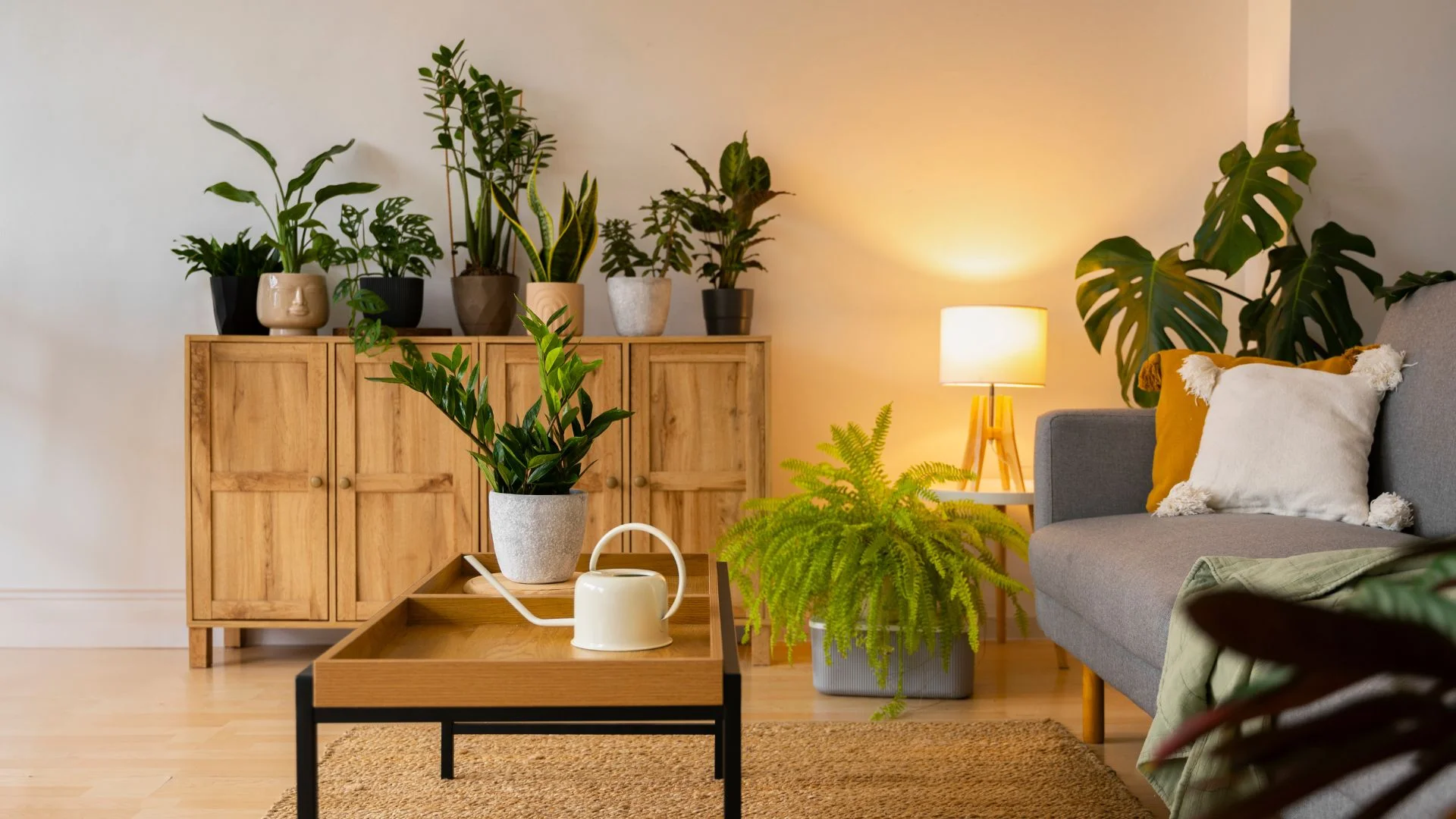
Natural materials have this quiet, effortless charm that instantly warms up a space. They feel honest, comforting, and grounded, which is exactly why they work so well when you want a home that’s textured but still clutter-free.
Try bringing in things like:
• Wooden furniture that shows its natural grain
• Woven baskets for everyday storage
• Stone bowls or planters
• Soft fabrics such as cotton and linen
And here’s a small story. I once rolled out a simple jute rug in a very plain room, and suddenly everything felt more “put together.” It didn’t try to stand out. It just blended in and somehow made the whole place feel complete. That’s the quiet magic texture brings.
Layering Fabrics for Comfort and Personality
If you’ve ever casually thrown a blanket on your sofa “just to see how it looks,” you already understand this part. Fabrics create softness and instantly elevate the comfort level of a room.
Try mixing different types of textiles:
• Velvet cushions paired with cotton throws
• Sheer curtains layered under thicker drapes
• A textured rug placed over a smooth floor
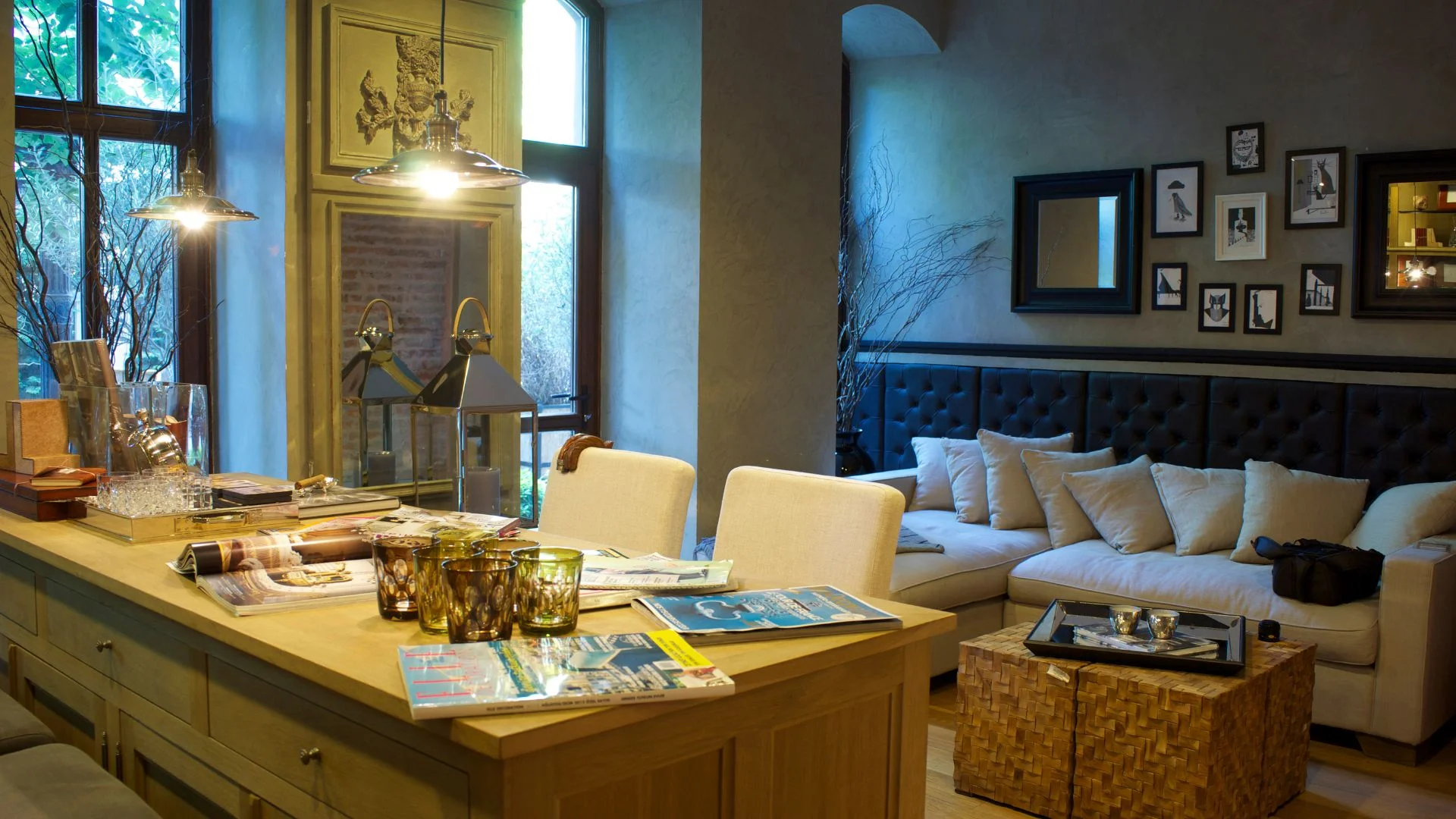
This layering creates visual movement. Your eyes travel around the room instead of landing on one flat surface. Textiles also help soften sound, making the space feel calmer and more inviting. No wonder an interior decorator often starts with fabric selections when building a room.
Balancing Smooth and Rough Surfaces
Texture works best when there’s contrast. A room full of soft materials feels flat. A room full of rugged textures feels overwhelming. The magic is in combining both, and this balance is really at the heart of good texture in interior design.
Think about pairing a smooth surface with something more tactile. Maybe a sleek tabletop with matte cabinets. Or a soft couch against a subtly textured wall. Even a ceramic vase next to a metal lamp can create a beautiful balance. These small contrasts add character and prevent your space from feeling dull.
What’s nice is that you don’t need a lot of decorative objects to make this work. Thoughtful combinations are enough.
Bringing Texture Into Your Walls and Finishes
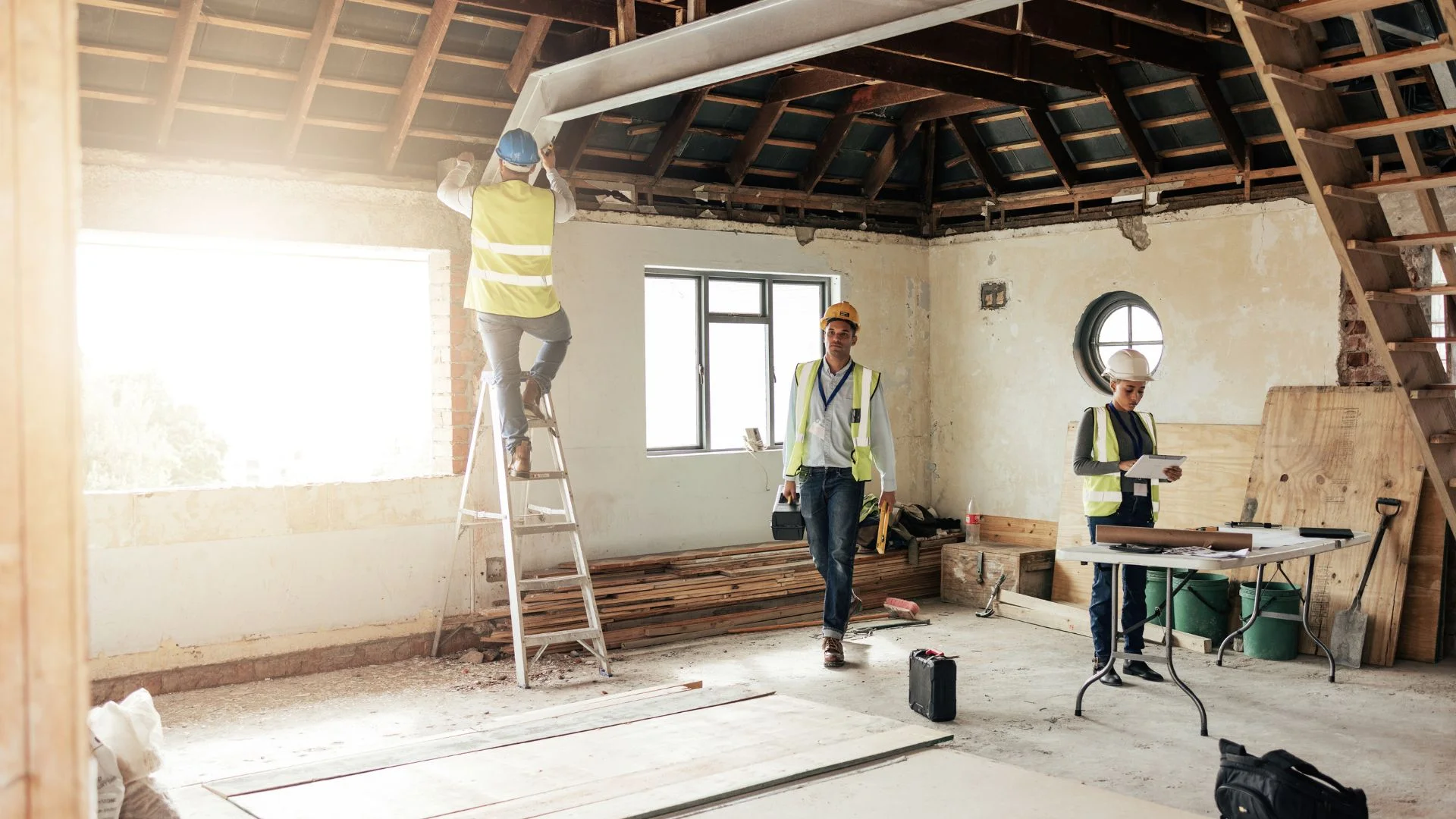
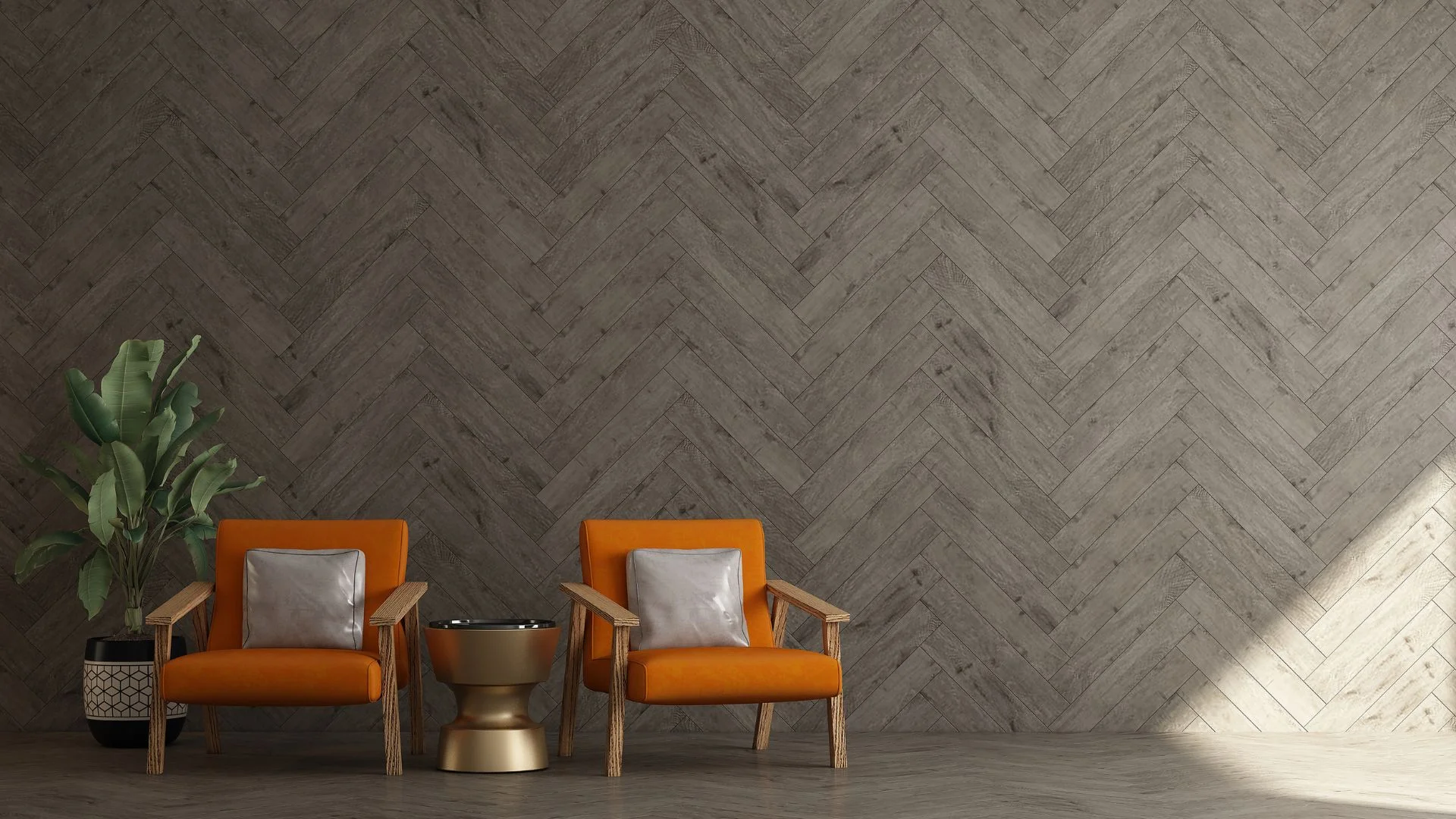
Walls take up the most visual space in any room, so they are one of the easiest ways to introduce texture without adding clutter. This is perfect if you love minimal interiors but still want something visually interesting.
Here are a few ideas:
• Limewash finishes that give a soft, cloud-like look
• Textured paint that adds dimension
• Exposed brick for a rustic, grounding feel
• Grooved or fabric wall panels for subtle richness
These finishes quietly enhance your space. They don’t scream for attention, but they instantly make your home feel more thoughtful and refined. Many people who love simple, clean interiors use wall texture as their main design feature.
Using Accessories Mindfully and Meaningfully
Accessories can elevate a room or overwhelm it. The difference lies in intention. A few well-chosen textured accents can bring the whole space together.
Some thoughtful additions include:
• Woven lamp shades
• Ceramic vases with gentle patterns
• Knitted poufs
• Brushed metal candle holders
Each one adds a textural moment without cluttering your surfaces. A seasoned interior decorator will tell you that it’s better to pick a handful of meaningful, high-impact pieces rather than filling shelves with random decor.
Letting Light Reveal the Texture
Lighting is the final ingredient that makes textures come alive. Soft shadows, highlights, and natural light work together to showcase the details in your materials.
A warm light grazing a textured wall brings out depth. A floor lamp near a patterned rug highlights the weave. Even sunlight hitting a wooden surface can make the grain glow. Lighting doesn’t just brighten a room. It reveals its character.
Conclusion
Texture is one of the most powerful yet underrated tools in interior design, especially if you want a home that feels rich and layered without becoming cluttered. When you use natural materials, mix fabrics, balance smooth and rough surfaces, and let lighting highlight your choices, your home becomes warm, expressive, and effortlessly stylish. The right use of texture in interior design helps you build a space that feels complete and deeply personal, even with minimal decor.
The beauty of textured spaces is simple. You’re not adding more things. You’re adding meaning to the things that matter.