Home is the place where life slows down for a moment. It is where people seek comfort after long days, where families form routines, and where individuals recharge. The way a space looks, feels, and functions often shapes emotional wellbeing in ways many do not consciously realise. The psychology of interior design plays a quiet but powerful role in how people think, relax, and respond to their environment.
When a home carries the right balance of aesthetics, colours, layout, and lighting, it creates a sense of emotional safety. It has the ability to help the mind settle. Designers across the world have long studied how certain elements influence mood. They have observed that thoughtful design choices can reduce stress, support focus, and elevate the quality of everyday life.
This blog explores how interior design affects mood, the emotional cues hidden in everyday spaces, and practical ways to integrate this understanding into modern homes.
Why Our Homes Affect Us So Deeply
A home is more than a property. It is an extension of personal identity. People often decorate in ways that mirror their values, lifestyle, memories, and aspirations. When these choices align with what someone needs emotionally, the home becomes supportive. When they do not, the space can feel draining or cluttered.
Interior designers see this often. A bright and airy room helps an anxious person feel calmer, while a warm and grounded palette may comfort someone who feels disconnected. This is where emotional design becomes important. It offers a softer way of looking at interiors. Instead of focusing only on décor, it asks how each detail can support wellbeing.
The Hidden Influence of Colour
Colour is one of the most powerful tools in shaping mood. It sets the emotional temperature of a room.
- Soft blues and greens create a cool, gentle environment. These shades are suitable for bedrooms or reading corners because they help the mind slow down.
- Warm neutrals like beige, tan, and cream offer balance. They create familiarity and warmth without overwhelming the senses.
- Yellow can add energy and positivity when used thoughtfully. It works well in kitchens or home offices where motivation is needed.
- Deep tones such as navy or forest green can make a space feel grounded and sophisticated. These shades support focus and steadiness.
Colour psychology has been used in design for decades, but mindful interiors take it a step further. They combine colours intentionally with the lifestyle of the people living in the home. This alignment is what makes a space feel emotionally consistent.
The Role of Lighting in Emotional Comfort
Light influences sleep patterns, energy levels, and visual comfort. Homes with large windows or balanced artificial lighting often give people a sense of openness. Poorly lit rooms, however, can make even stylish spaces feel heavy.
There are three types of lighting that influence mood:
- Ambient lighting, which forms the base layer of illumination.
- Task lighting, which supports activities like reading, cooking, or working.
- Accent lighting, which highlights art, textures, or architectural features.
A well-designed home blends these layers instead of relying on a single source. Soft warm lighting in the evening signals the mind to relax. Cooler, brighter light during the day improves alertness. This combination helps individuals maintain a natural rhythm throughout the day.
Furniture Placement and Mental Clarity
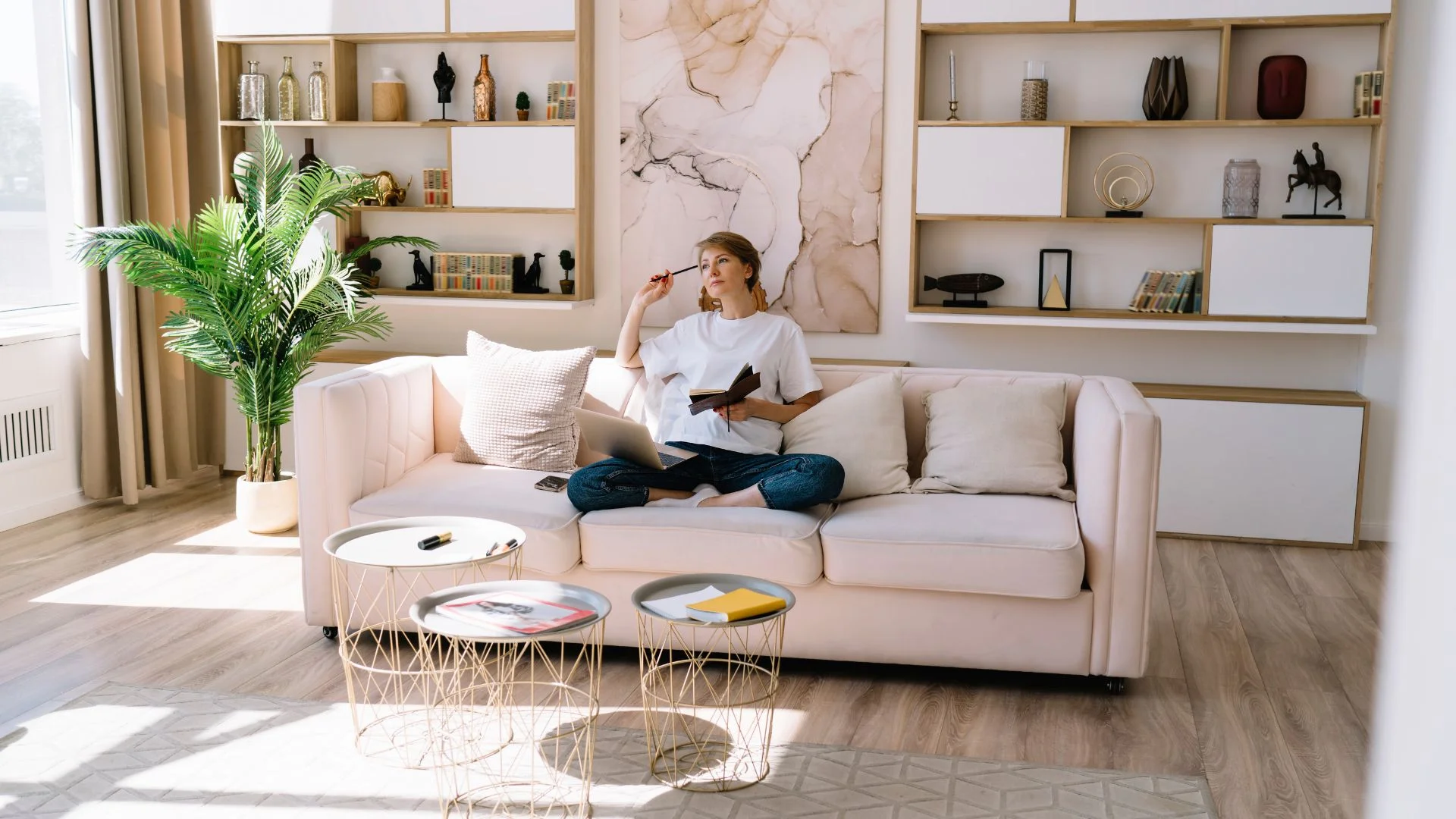
How furniture is arranged affects how freely people move in their homes. A cramped or poorly organised layout can create a sense of tension. In contrast, an open and intuitive flow gives the mind space to breathe.
Interior experts often use the following principles:
- Avoid placing large furniture immediately at entry points.
- Keep pathways open to encourage smooth movement.
- Balance the room by distributing furniture evenly.
- Choose storage solutions that reduce visual clutter.
These simple choices improve mental clarity. They prevent the feeling of being boxed in or overwhelmed by objects. A layout that supports daily routines also reduces the small frustrations people face without noticing.
Textures, Materials, and Sensory Calm
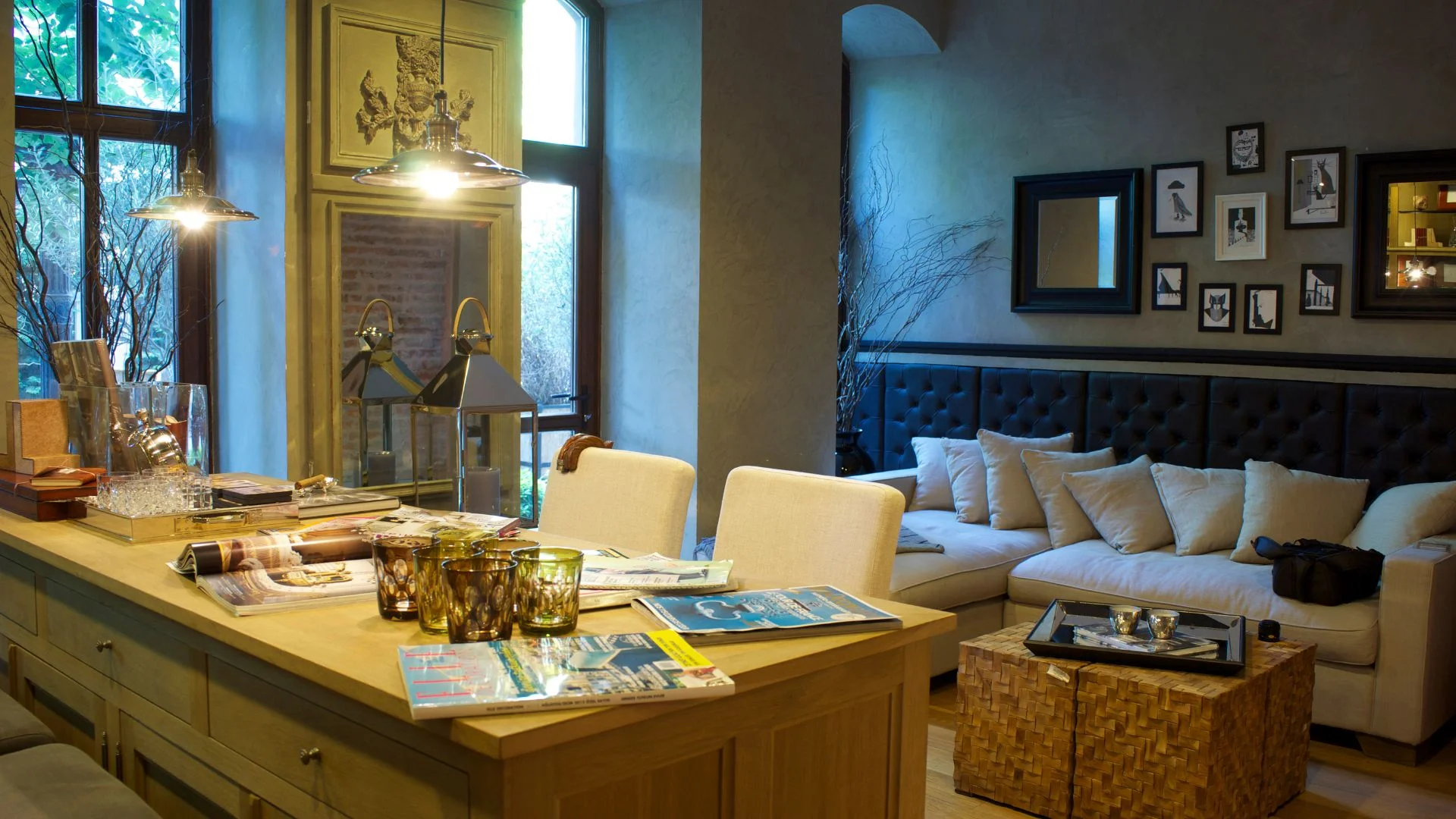
The surfaces people touch daily influence emotional comfort. Soft rugs, smooth wood, textured fabrics, and natural materials can add depth to a home. They create a sensory balance that relaxes the mind.
Natural textures, such as stone, wood, and linen, help people feel grounded. They bring an organic calmness that synthetic surfaces cannot fully replicate. Many homeowners today are shifting towards materials that carry a sense of authenticity. These elements support mindful interiors that feel warm and approachable rather than cold or overly polished.
Personal Meaning and Decorative Choices
Objects carry personal stories. A photograph from a memorable trip, a piece of art that reflects personal taste, or a gift from family holds emotional value. When these items are placed thoughtfully, they make the space feel truly lived in.
Designers often encourage clients to keep decor meaningful instead of filling rooms with random pieces. A home that reflects personal milestones and personality creates a stronger emotional connection. This connection is essential for long-term comfort.
Creating Spaces That Influence Specific Moods
Different rooms serve different emotional purposes. Here are a few examples of how design supports mood in practical ways:
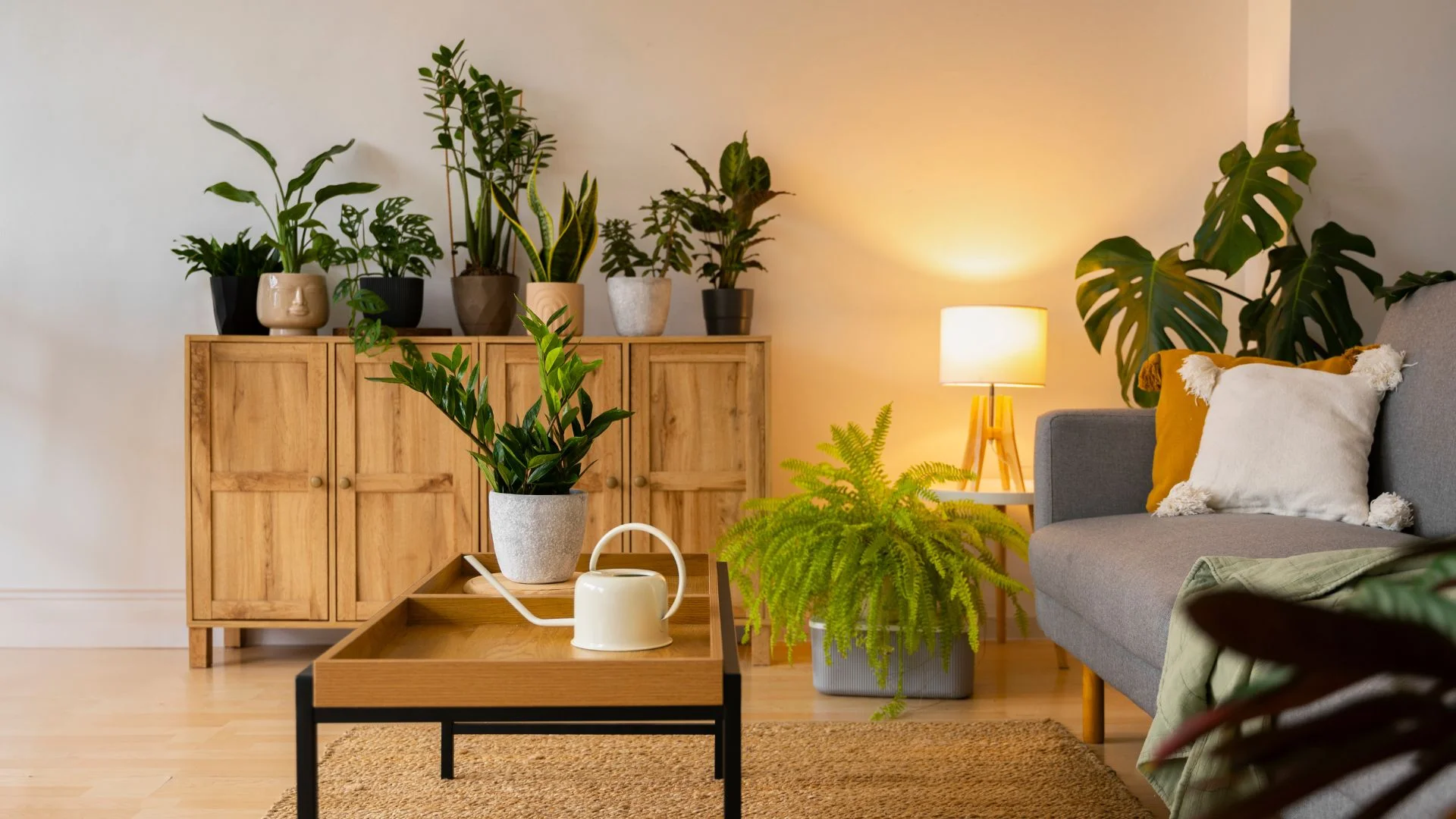
- Living rooms benefit from warm tones, soft furnishings, and balanced lighting because these elements promote relaxation and social comfort.
- Bedrooms thrive with calming colours, minimal clutter, and dimmable lighting. These details help improve sleep.
- Home offices need structured layouts, ergonomic furniture, and colours that support focus. These choices improve productivity.
- Kitchens often feel more welcoming with warm lights, functional storage, and a layout that allows easy movement.
By aligning design choices with the purpose of each room, individuals create emotional harmony throughout the home.
A Deeper Look at the Psychology of Interior Design
In many well-designed homes, there is a natural rhythm that helps people transition smoothly through their day. This rhythm comes from combining colour, layout, light, texture, and personal meaning into a coherent experience. When done right, the result is a home that feels emotionally supportive.
The psychology of interior design is not about following trends. It is about shaping environments that reflect personal needs. A peaceful home does not happen by accident. It is created through intentional decisions that centre around wellbeing.
Conclusion
Interior design plays a significant role in shaping mood and emotional balance. When people understand how light, colour, layout, and materials influence their state of mind, they can create homes that truly support them. The psychology of interior design offers valuable guidance for building environments that feel calming, energising, or comforting, depending on what each room requires. By approaching home design thoughtfully and embracing mindful interiors, individuals can transform their living spaces into places that nurture both the mind and the spirit.
There is a unique emotional comfort in Indian interiors, from warm terracotta tones to woven textures and handcrafted decor. CasaKaya uses these elements with intention so your home feels connected, grounded, and supportive of your daily well-being.