Lighting shapes how we experience a space. It influences mood, functionality, and the overall character of a room far more than most homeowners realize. Be it the glow of a bedside lamp or the sharp beam above a kitchen counter, lighting determines how every surface, texture, and color comes alive. Understanding the types of interior lighting is not just a technical necessity. It’s an art that blends design intuition with practical purpose.
Good lighting does more than illuminate. It defines how a space feels, whether it is cozy, dramatic, productive, or relaxed. The right combination of brightness, tone, and placement can make even a simple room feel thoughtfully designed. Poor lighting, on the other hand, can flatten your interiors, dulling everything from décor to mood.
This guide explores the three main layers of home lighting, namely, ambient, task, and accent lighting, and offers practical insights to help homeowners create balanced, beautiful illumination throughout their living spaces.
Understanding the Three Layers of Lighting
Designers often describe lighting in layers, each serving a specific purpose within the visual and functional ecosystem of a room. The balance between these layers determines how comfortable and visually cohesive a space feels.
- Ambient Lighting – The foundation of overall illumination, creating an even wash of light across the room.
- Task Lighting – Focused, brighter light designed for specific activities like reading, cooking, or working.
- Accent Lighting – Decorative or directional lighting that highlights architectural features, art, or textures.
Each of these layers contributes differently to the atmosphere and function of a space, and together, they form the backbone of effective lighting design.
1. Ambient Lighting: The Base Layer of Comfort
Ambient lighting, often referred to as general lighting, sets the mood and visibility level of a room. It fills the space with light that allows you to move comfortably without glare or harsh shadows.
Common sources include ceiling fixtures, recessed lighting, chandeliers, and wall-mounted sconces. Natural light also plays a significant role, so maximizing daylight through windows or reflective surfaces adds warmth and energy efficiency.
Designers today often recommend dimmable options for ambient lighting. Adjustable brightness allows you to adapt to different times of day or activities like, for example, brighter in the morning for energy and softer in the evening for relaxation.
In open-plan homes, ambient lighting acts as a unifying element, ensuring a seamless visual transition between areas like the living room and dining space. It’s the foundation upon which all other lighting decisions build. For anyone exploring home lighting design tips, start with ambient light first, because it defines the canvas.
2. Task Lighting: Precision with Purpose
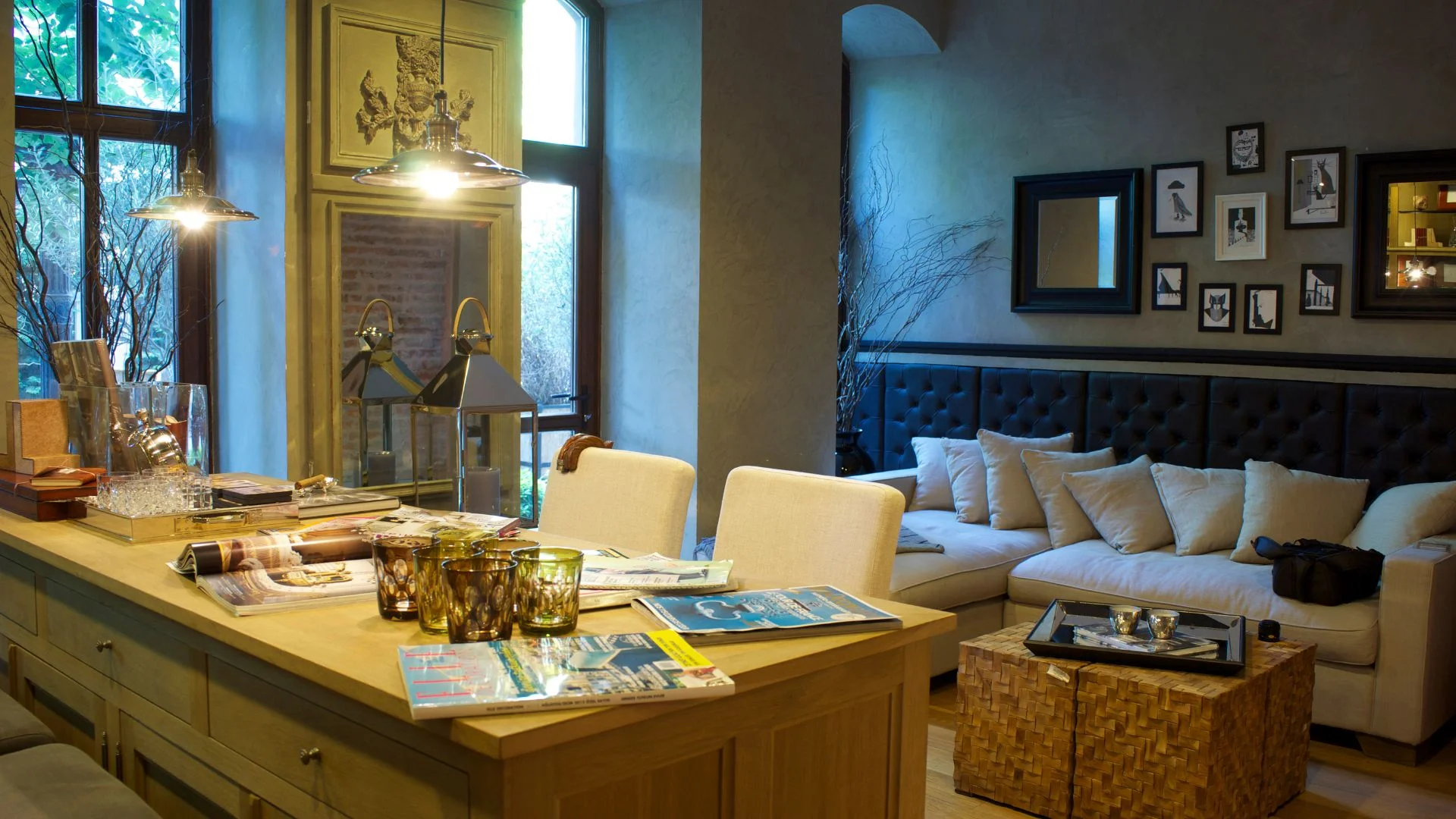
Once the base layer is in place, task lighting brings functionality and focus. It’s designed for moments that require concentration and clarity. Think of the light above a kitchen island, the lamp beside your study table, or the fixture over a bathroom mirror, each serving a specific task.
Task lighting prevents eye strain and enhances precision in activities such as reading, cooking, or applying makeup. Placement and intensity are key. The light should be bright enough to illuminate the work surface without creating glare or casting shadows.
Popular choices for task lighting include:
- Adjustable desk lamps for home offices or reading corners
- Under-cabinet lights in kitchens for focused countertop work
- Pendant lights above dining tables or islands
- Vanity lights positioned evenly on either side of a mirror
Designers often stress the importance of contrast. Task lighting should stand out subtly from ambient light, ensuring visual hierarchy and preventing the space from feeling flat. Smart homeowners are also choosing energy-efficient LED task lights, which provide consistent brightness with minimal heat output.
By layering task lighting thoughtfully, you turn everyday activities into more comfortable and enjoyable experiences.
3. Accent Lighting: Adding Character and Emotion
If ambient and task lighting handle the functional side of illumination, accent lighting takes care of the emotional one. It’s what gives interiors depth, drama, and distinction.
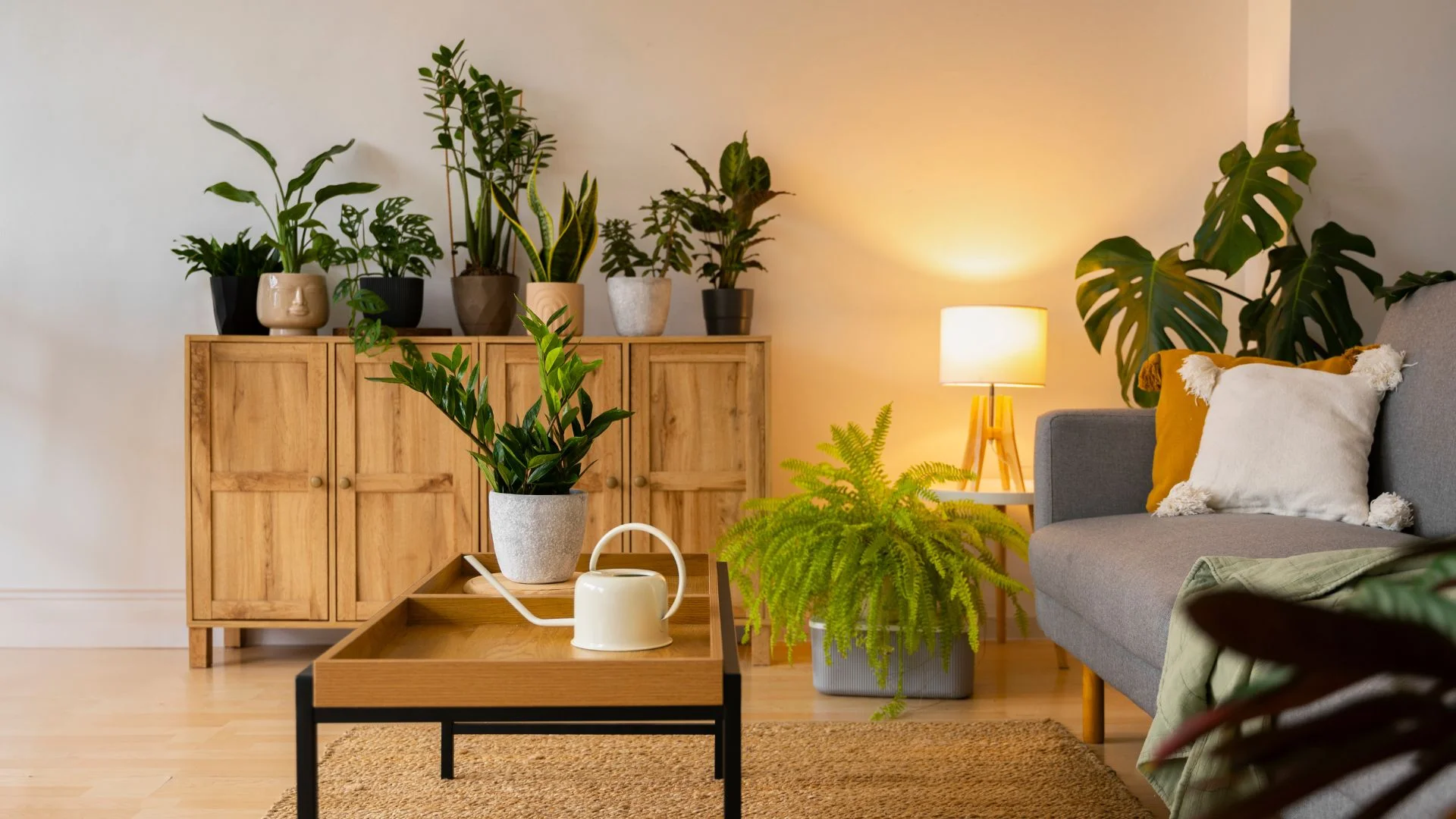
Accent lighting draws attention to specific areas or objects, like towards an art piece, a textured wall, or even a lush indoor plant. It’s not about flooding a room with brightness but about directing focus.
Common accent lighting options include:
- Track lights or spotlights to highlight artwork
- LED strip lights to emphasize shelves, cabinets, or staircases
- Recessed wall lights that cast upward or downward glows for texture
- Niche lighting to subtly frame architectural details
Accent lighting often has a lower intensity but higher contrast compared to ambient light. The play between shadow and illumination is what gives a room its depth. For instance, a living room with layered accent lights can instantly feel more luxurious, even without expensive furnishings.
When used well, accent lighting helps define zones and moods within the same space. It’s a small detail that makes a significant difference, creating a sense of movement and intrigue within your home.
Balancing Light and Shadow
While understanding the types of interior lighting is essential, harmony between them is what defines great design. Too much light can feel clinical, while too little creates discomfort and strain. The key is layering with intention.
Here are a few professional strategies to achieve balance:
- Vary light intensity: Use dimmers to shift the mood across the day.
- Layer light sources: Combine ceiling fixtures with floor lamps or sconces for depth.
- Pay attention to color temperature: Warm light (2700K–3000K) feels cozy, while cooler tones (4000K+) enhance focus.
- Avoid uniform brightness: Highlight certain areas to add visual rhythm.
- Consider material reflection: Glossy surfaces amplify light, while matte finishes absorb it, influencing overall brightness.
Effective lighting design is not about adding more fixtures. It’s about understanding how light behaves within a space. Reflection, diffusion, and direction all matter as much as the fixture itself.
Real-World Design Insight
Many homeowners underestimate the emotional impact of lighting. In hospitality and retail design, for instance, ambient light is deliberately softened to encourage calmness and linger time. The same principles apply at home.
A warm-toned pendant in the dining room can enhance conversations, while task lights in a study can boost focus. In living areas, a balance of overhead lights and subtle accent glows can turn a space from functional to inviting within minutes.
Designers increasingly treat lighting as an architectural tool rather than an afterthought. The focus is shifting from decorative fixtures to holistic illumination plans that integrate seamlessly with layout and lifestyle.
Conclusion
Lighting is not an accessory. It’s an essential design element that shapes perception, function, and emotion. The best interiors are not just furnished beautifully, they are lit beautifully. You might be planning a renovation or a simple update, but investing in the right lighting layers will transform how you experience your home every day.
Understanding the types of interior lighting, that is, ambient, task, and accent gives homeowners the ability to design with intention. Light influences more than aesthetics; it influences wellbeing, mood, and the way people interact within a space.
When thoughtfully planned, good lighting turns any room into an experience. It connects architecture, décor, and daily life in one harmonious glow.